
On December 12, 2026, ECOTOURS VALLARTA celebrates 30 years in Puerto Vallarta.
Thirty years sounds like a long time when you say it out loud.
But when we look back, it feels more like a collection of trips, people, boats, ideas, mistakes, discoveries and a lot of days spent outdoors.
ECOTOURS VALLARTA did not begin with a big business plan. It started with the idea that traveling around Mexico could be different — closer to nature, more personal and a little more curious.
And Puerto Vallarta was not even the original plan.
Before Vallarta
Before moving to Puerto Vallarta, we were already organizing nature trips through a small company called Ecogrupos de México.
At that time, ecotourism was still a fairly new concept in Mexico. We organized trips close to Mexico City, visiting places such as Tepoztlán, the monarch butterfly sanctuaries and other natural and cultural destinations.
Later, we started creating longer itineraries that we called circuits. Some lasted six days or more and took us to places like the Copper Canyon, Chiapas and other parts of the country.
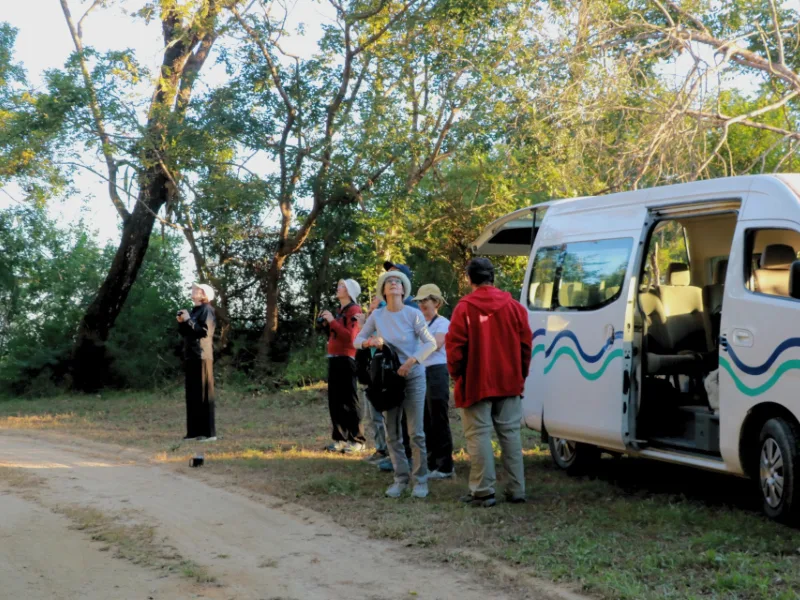
One of our winter routes took us to Isla Isabel, in Nayarit, and then to Banderas Bay to look for humpback whales.
That is how Puerto Vallarta started to become part of the story.
When Puerto Vallarta Became Home
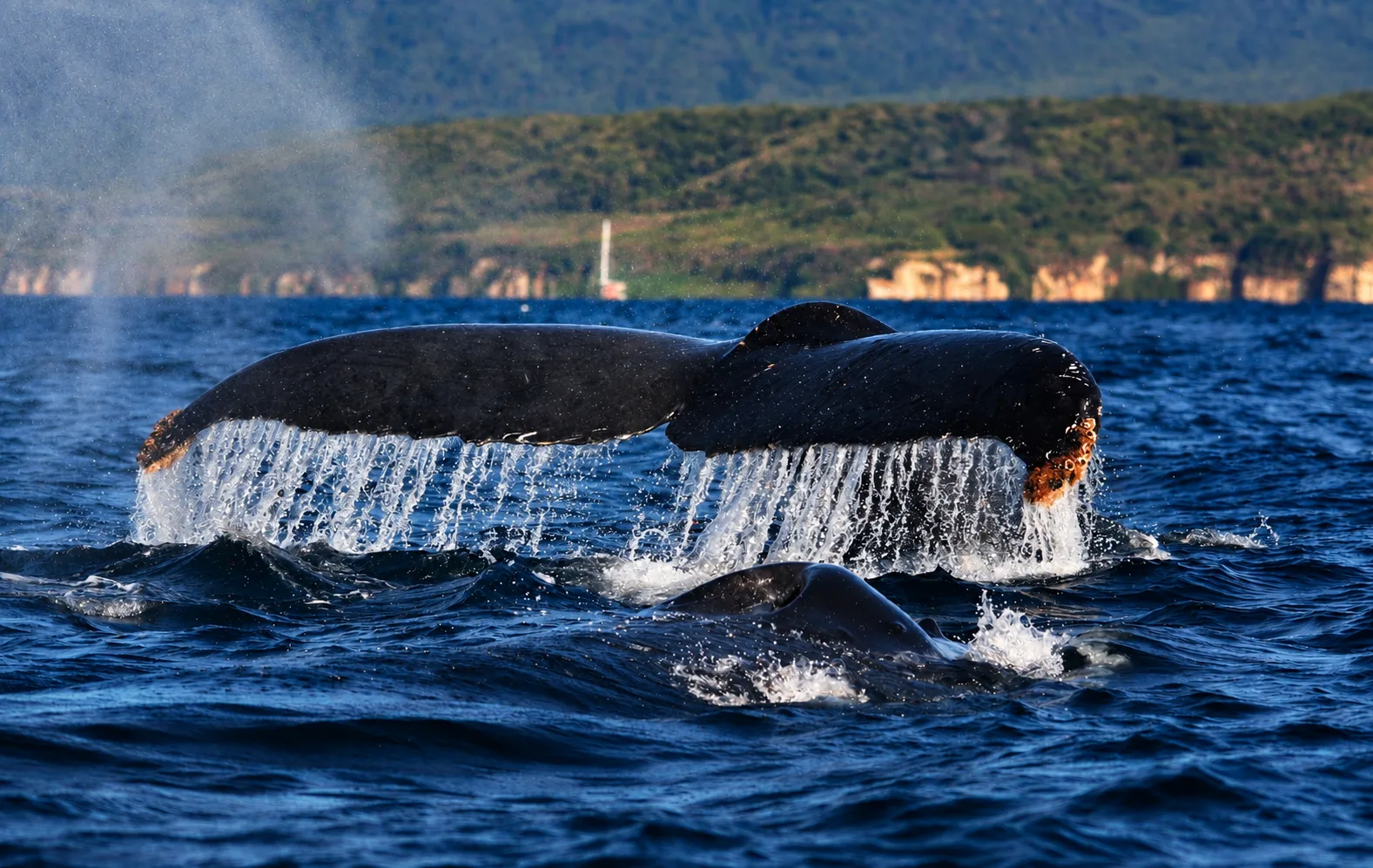
Astrid was already involved in biology and marine mammal fieldwork, and we knew that humpback whales were coming to Banderas Bay every winter.
We had been to Vallarta several times as part of those trips, but without thinking of moving here.
I knew I wanted to leave Mexico City. I had considered Cancún, and at one point I was also interested in working on conservation projects in the Lacandon Jungle.
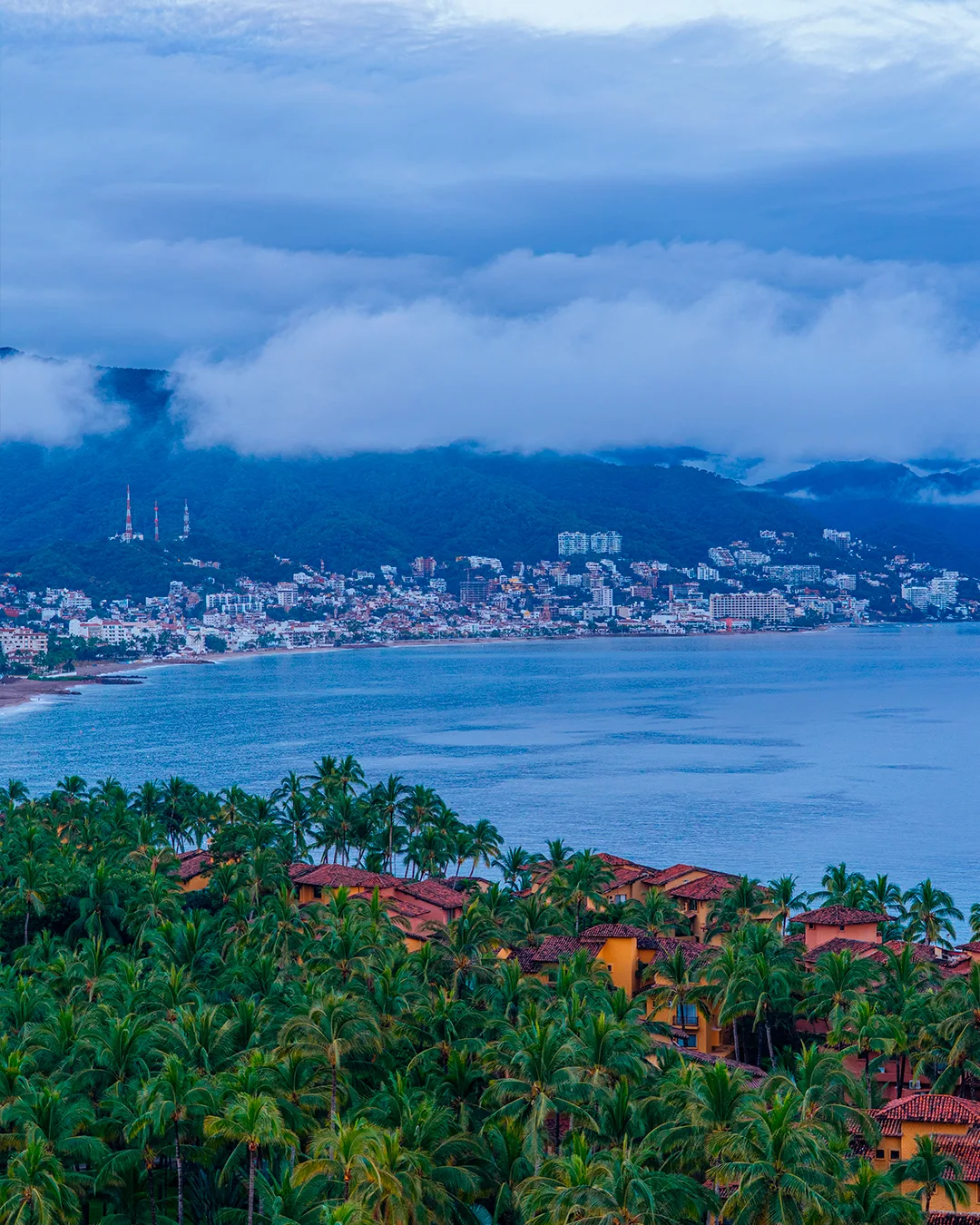
Then, during one winter visit to Vallarta, we were sitting near Playa de los Muertos, looking out at the bay.
And the thought came naturally:
“I could live here.”
Astrid felt the same way. For her, Banderas Bay also meant the possibility of continuing to work with humpback whales.
So we made the move.
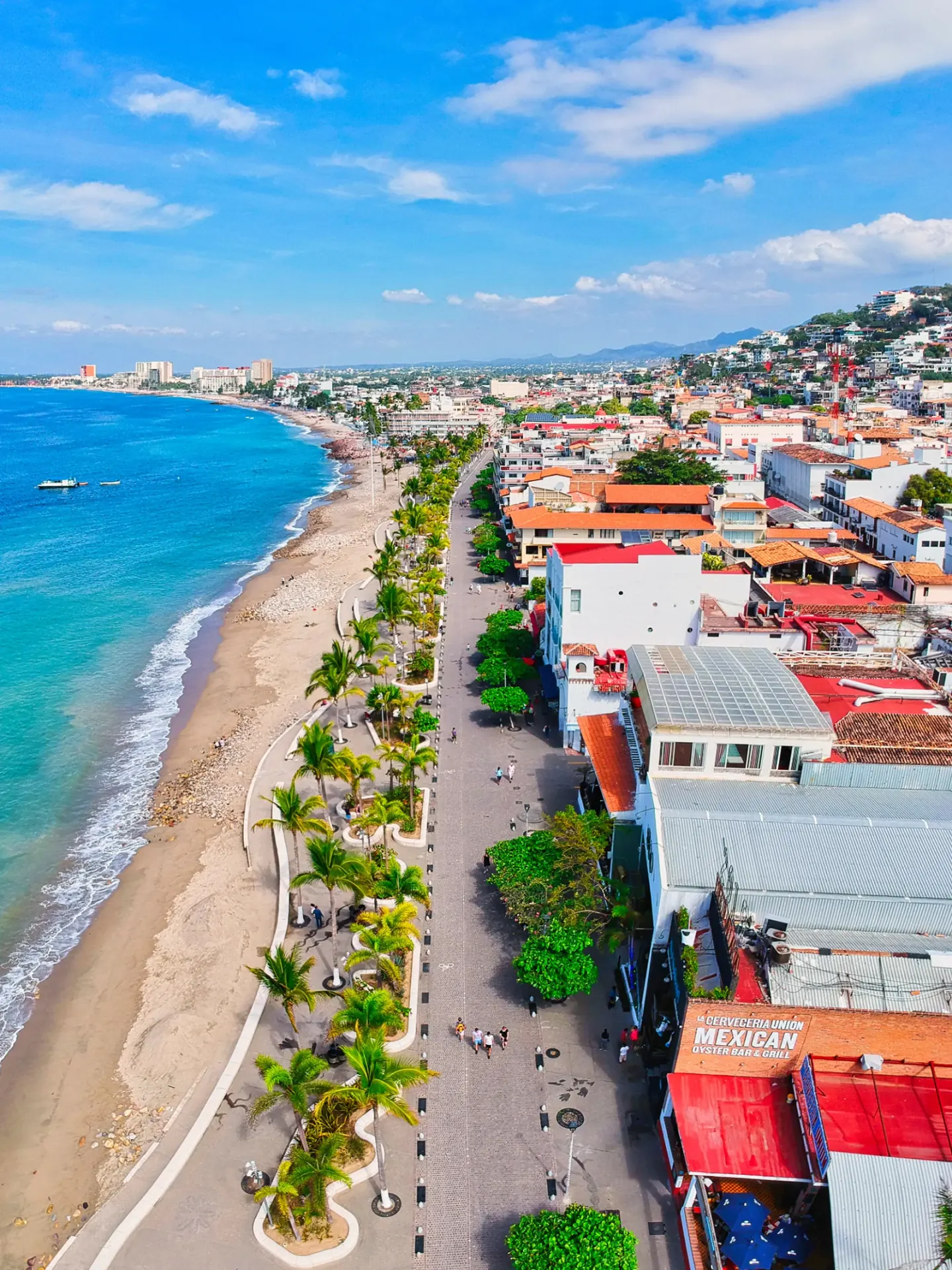
December 12, 1996: The Beginning of ECOTOURS VALLARTA
When we arrived in Puerto Vallarta in 1996, the operation first worked as a branch of Ecogrupos de México.
A little later, I separated from my partners and continued independently.
On December 12, 1996, the company formally began under the name Ecotours de México, the name that marked this new chapter in Puerto Vallarta and that would eventually evolve into what we know today as ECOTOURS VALLARTA.
We were still figuring things out.
The idea was clear: nature tours, small groups and experiences that felt different from conventional sightseeing.
But you also have to pay the bills.
Tours, Diving Gear and a Small Shop Downtown
I had always loved scuba diving, so another opportunity appeared at the right time.
A friend was distributing diving equipment in Mexico City and Cancún, including brands such as Sherwood, Aqualung and Scubapro. I asked if I could represent some of that equipment in Vallarta.
Eventually, we found a small place downtown, on Ignacio L. Vallarta Street.
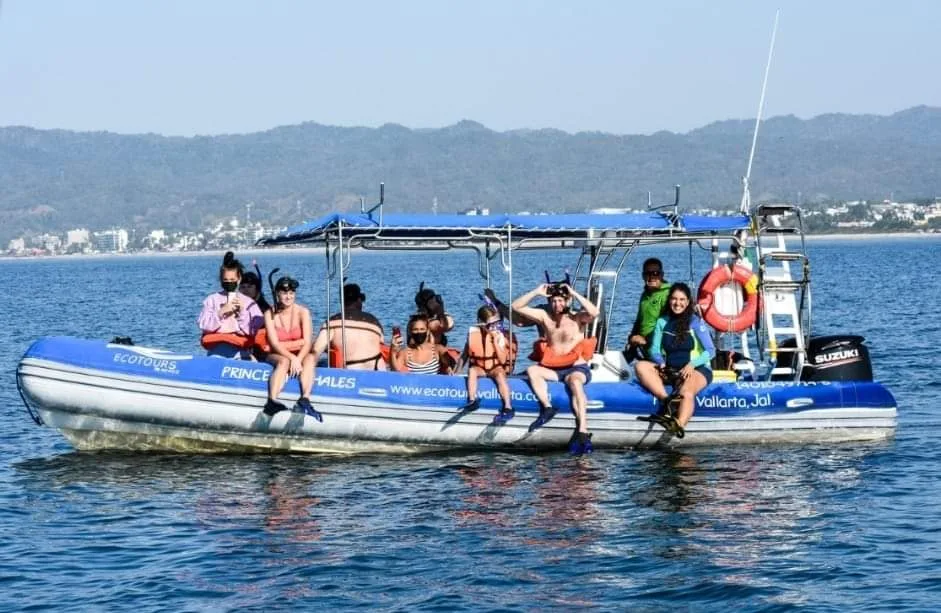
From there, we did a little bit of everything.
We planned one-day tours, sold diving and snorkeling gear, worked directly with visitors and kept looking for new ways to explore the region.
The equipment shop gave us another source of income while the tours were growing, and that helped us a lot during those early years.
Later, we were fortunate enough to get a location in Marina Vallarta, and the operation kept evolving from there.
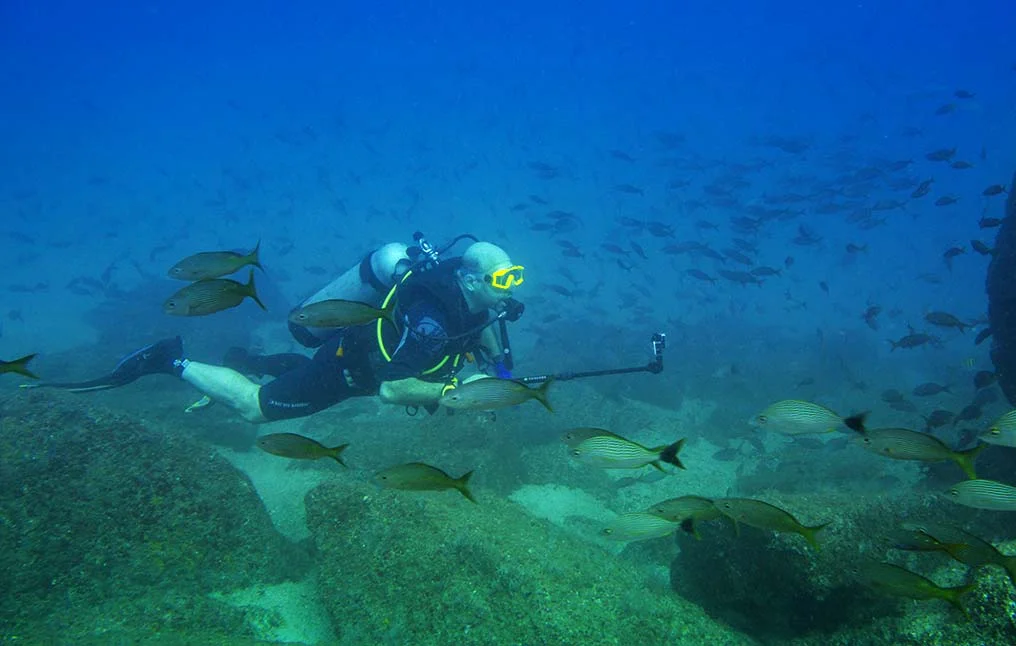
Whale Watching Was a Full-Day Adventure
Whale watching in Puerto Vallarta looks very different today.
Back then, our trips took us all the way to Punta de Mita.
We would leave around 7:30 in the morning and sometimes return close to 5:00 in the afternoon.
It really was a full-day tour.
We drove from downtown Puerto Vallarta to Punta de Mita and El Anclote, where we got on local boats. Many of the people operating those boats were fishermen who knew the area extremely well.
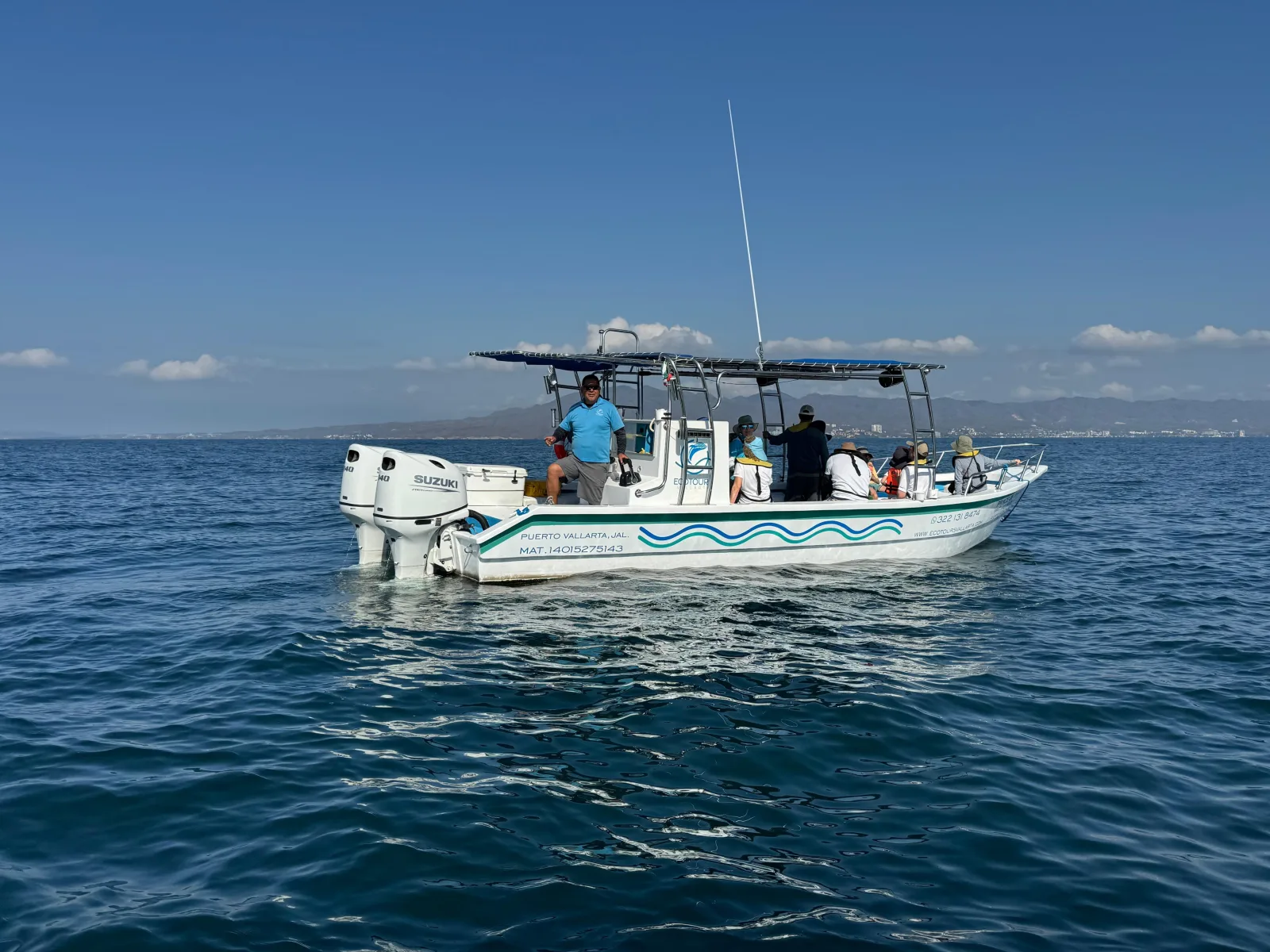
We would spend the day looking for humpback whales, have lunch in Punta de Mita and explore that side of the bay.
For around ten years, that was basically how we ran those early whale watching tours.
There were fewer operators, less infrastructure and a lot more improvisation.
But that was also part of the fun.
Marietas Before Everyone Knew Marietas
Some days there were plenty of whales.
Other days, not so much.
When whale activity was quiet, we sometimes headed toward the Marietas Islands to snorkel.
And there was one place we occasionally visited that was definitely not as famous as it is today.
Today, people know it as Playa Escondida, or Hidden Beach.
Back then, we knew it as Playa del Amor.
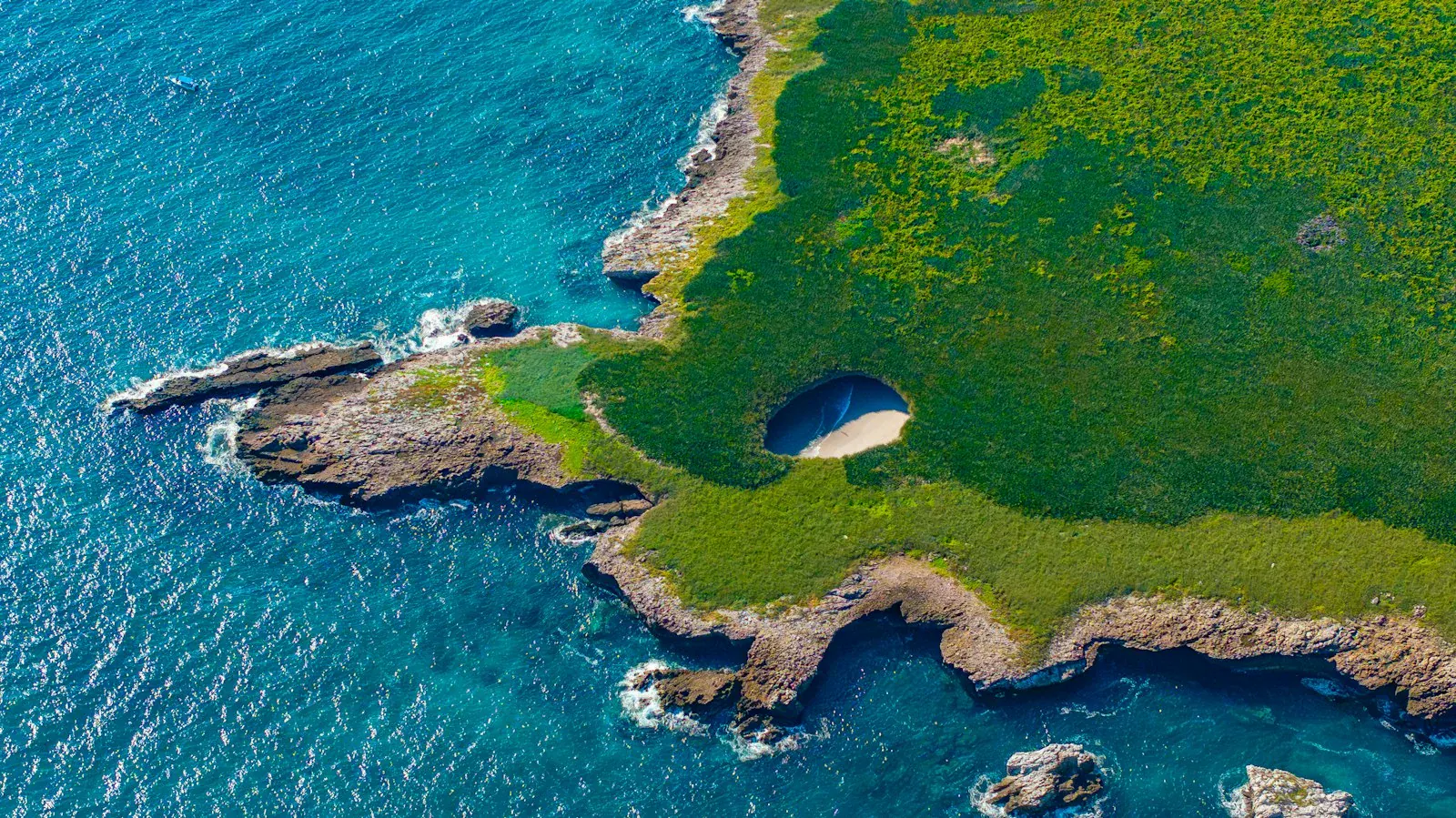
There were no crowds waiting to enter because they had seen it online.
We would swim in, spend some time there, go around the islands and continue the day.
Looking back, those memories probably show better than anything else just how much this whole region has changed.
Growing Along With Puerto Vallarta
Puerto Vallarta grew quickly, and ECOTOURS VALLARTA grew with it.
The operation became more organized. We added and improved tours, equipment and logistics. Whale watching became more specialized. Snorkeling and diving grew. Birdwatching, sea turtles and other wildlife experiences became part of what we were doing.
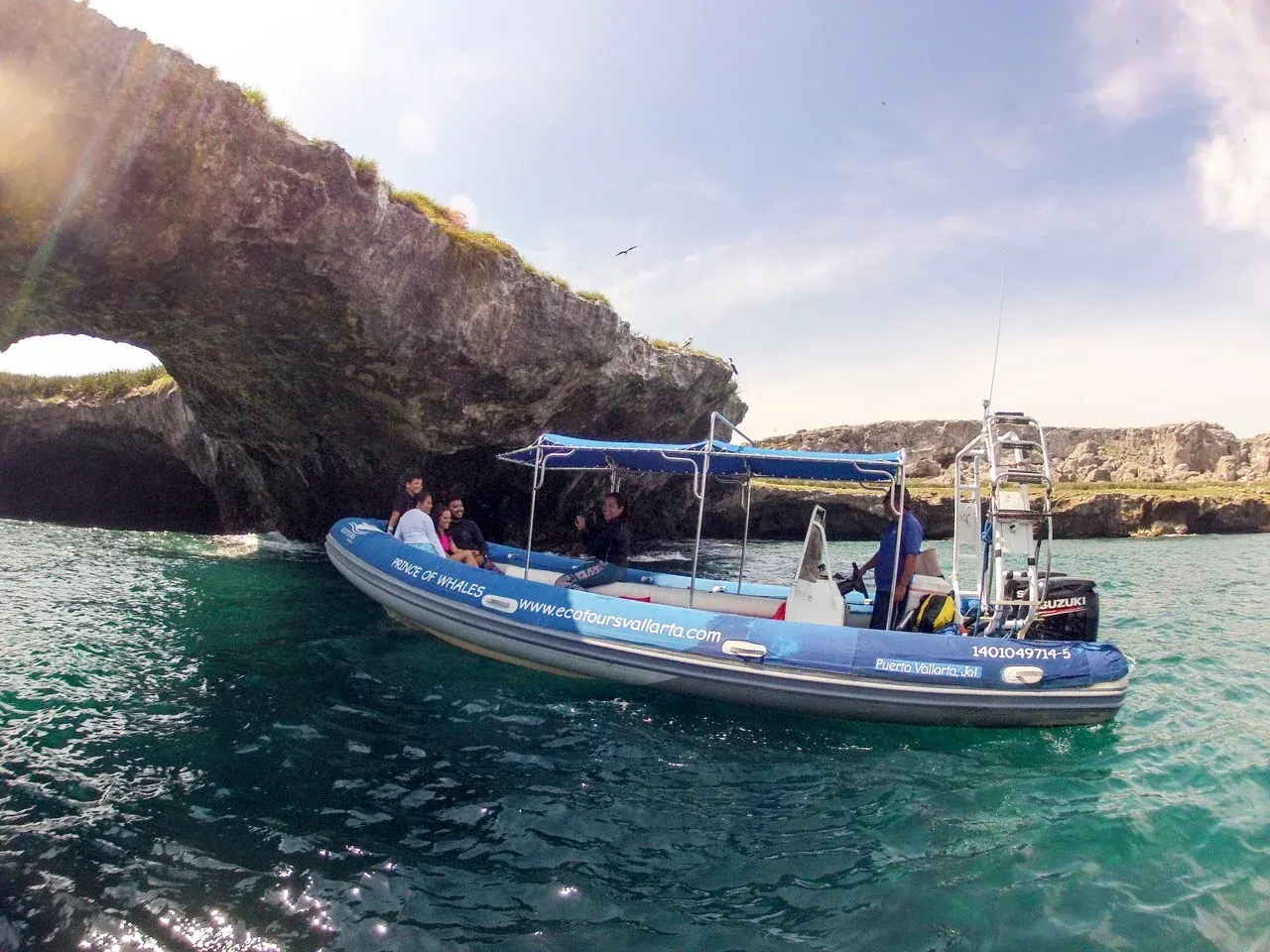
But the basic idea stayed pretty much the same:
go outside, discover something interesting and help people understand what they are seeing.
That is still at the center of ECOTOURS VALLARTA today.
Conservation Stopped Being Part of the Tour — It Became Part of Who We Are
As the years went by, we realized something important.
It was not enough to take people out to see whales, birds, turtles or dolphins.
We had to get involved in protecting them.
That conviction led to projects that are now a fundamental part of our story.
We created ECOBAC — Ecología y Conservación de Ballenas A.C., focused on research, education and whale conservation, especially the humpback whales that return to Banderas Bay every winter.
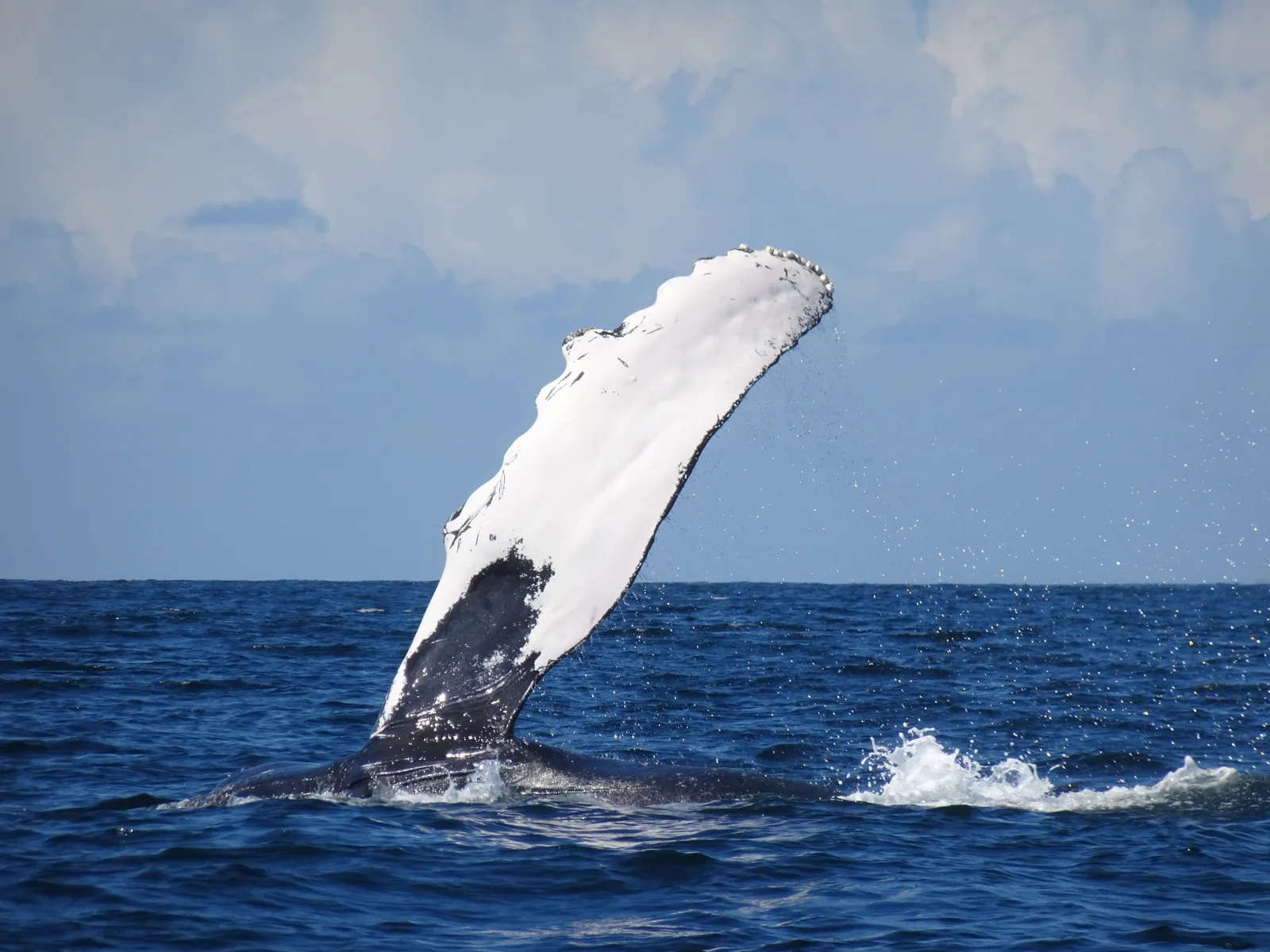
Over time, we also took part in creating RABEN — the Mexican Whale Disentanglement Network, a specialized network that responds to large whales entangled in fishing gear.
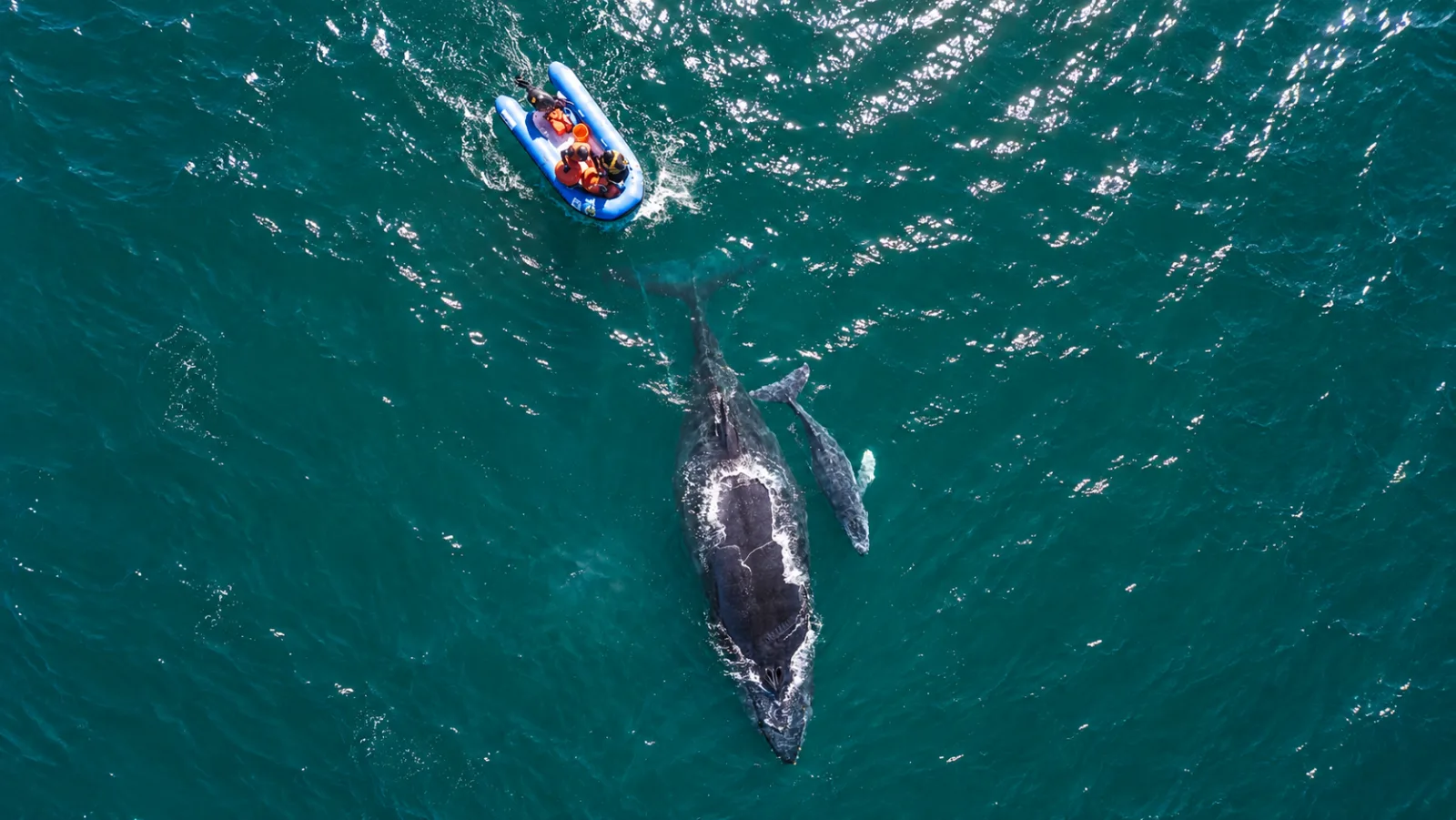
What started as a tourism company gradually brought us deeper into research, rescue work, environmental education and training.
Whale watching stopped being only a tour.
Photographs taken during trips could contribute scientific information.
Captains and guides could learn better practices.
A boat that usually carried visitors could also become a tool for observation, documentation or assistance.
For us, that connection between ecotourism and conservation became one of the things that most clearly defines ECOTOURS VALLARTA.
When Tourism Grows, Responsibility Has to Grow Too
Over the years, Puerto Vallarta, Punta de Mita and the Marietas Islands became much better known.
More visitors arrived.
More boats went out.
More people wanted to experience the same nature that had made us want to stay here in the first place.
And that changes things.
We learned that tourism could not simply grow without paying attention to what it was affecting.
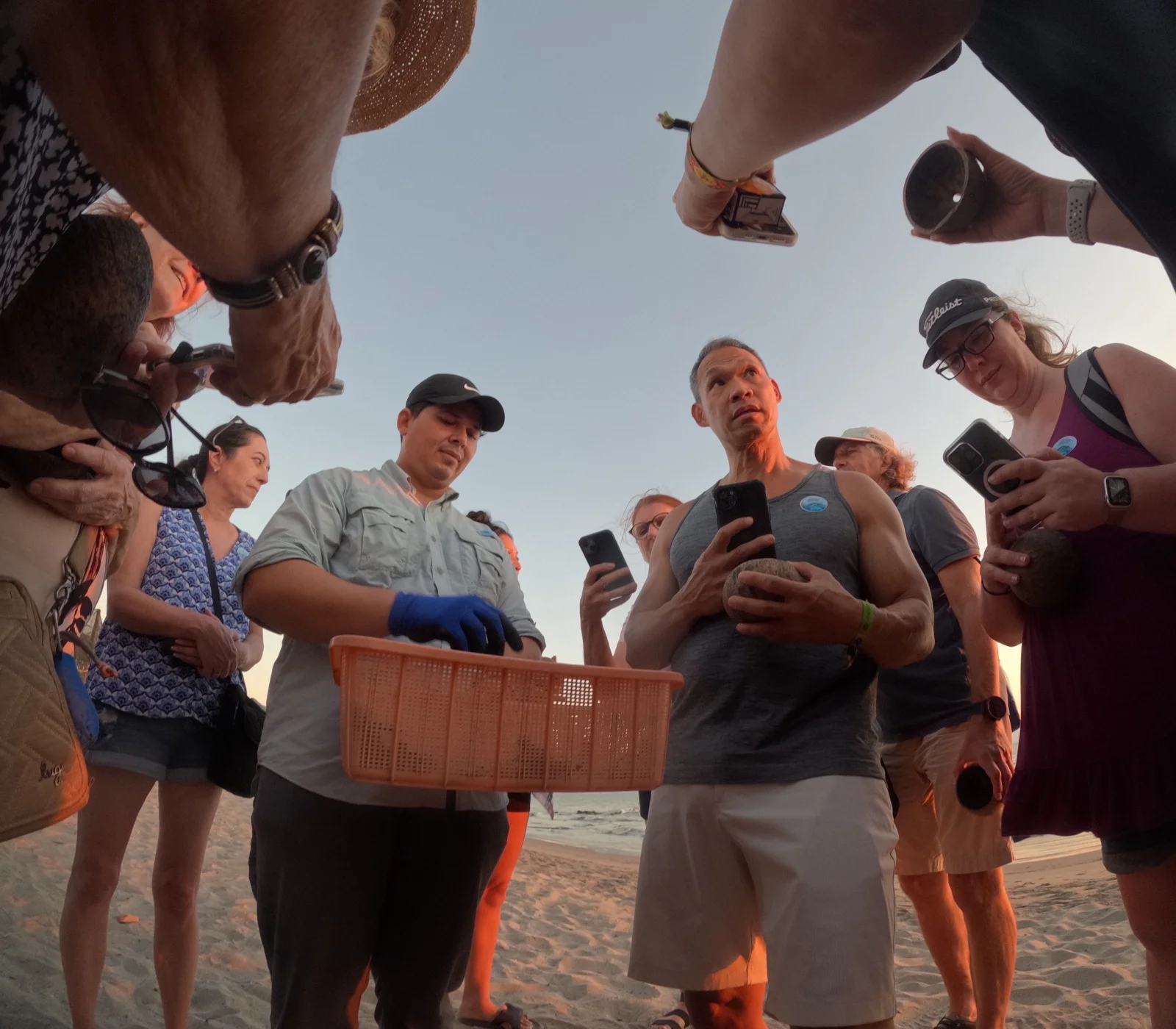
That is why conservation is now part of so much of what we do: whale research, responsible whale watching, sea turtle conservation, bird projects, environmental education, guide training and whale disentanglement response.
These are not activities running alongside tourism.
They are part of the same job.
If people come to Puerto Vallarta because of the whales, dolphins, birds, turtles, forests and islands, then protecting those things has to be part of the experience too.
The Travelers Who Became Part of Our Story
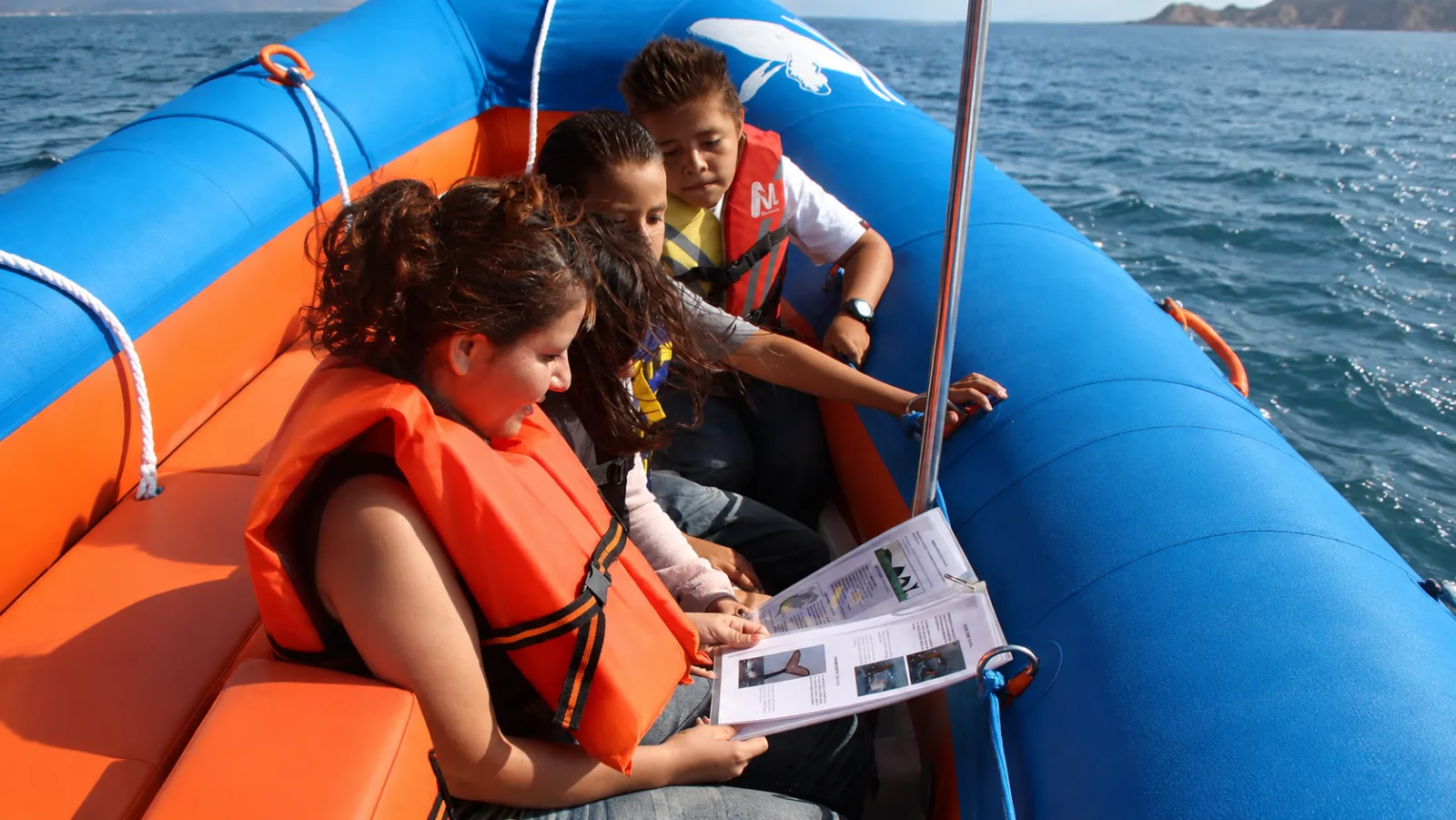
Thirty years can also be measured in another way.
In the people who come back.
Some travelers first joined us many years ago and returned later. Some came back with their partners. Then with their children. In a few cases, we have had the privilege of watching those families grow.
They have watched us change too.
They knew us when we were younger, when the tours were different, when Puerto Vallarta was different and when many of the experiences that seem normal today were only beginning.
In a way, we have grown — and grown older — together.
That is something you will never really see in a 30-year statistic.
We do not only remember destinations or whale seasons. We remember people, conversations, families and travelers who came back because they wanted to experience something with us again.
After so many years, some of them stopped feeling like customers.
They became friends.
Thirty Years Later
It is funny to think that what started with a small office, a few nature tours and diving equipment has now been around for 30 years.
During that time, thousands of people have traveled with us.
Guides, captains, biologists, researchers, students, travelers and friends have all been part of the story.
Puerto Vallarta changed.
The bay changed.
Tourism changed.
We changed too.
But every winter, the humpback whales still come back.
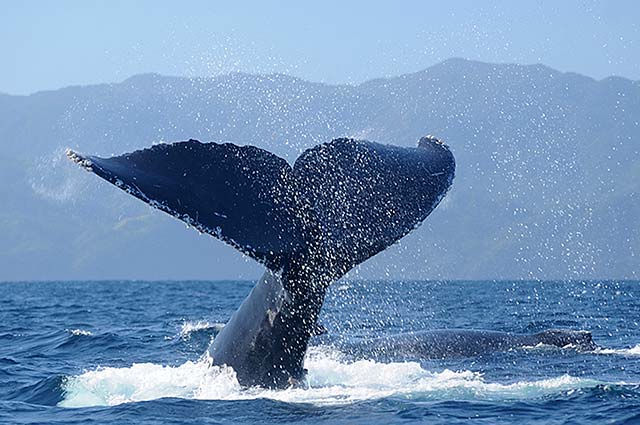
And every time we go out and see one, there is still a little of that same feeling that made us want to stay here in the first place.
So, What Comes Next?
Thirty years gives us a lot to look back on, but it does not feel like the end of anything.
There are still places to explore, species to understand better, conservation projects to support and new people to introduce to the natural world around us.
There are also new generations of guides, biologists and travelers changing the way tourism is understood.
People ask better questions now.
Conservation matters more.
Travelers look for smaller groups, local knowledge and experiences that feel real.
In many ways, those are the same ideas we started with.
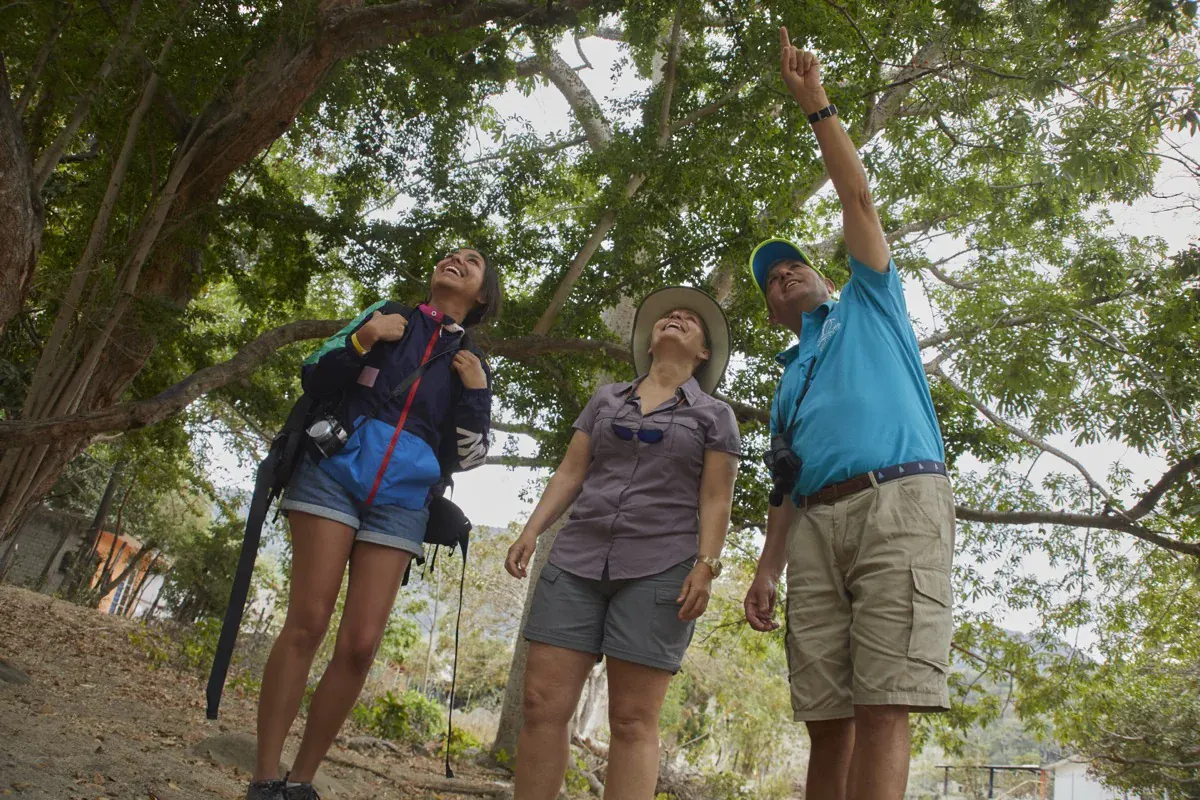
30 Years of ECOTOURS VALLARTA
On December 12, 2026, ECOTOURS VALLARTA celebrates 30 years in Puerto Vallarta.
Three decades of whales, boats, guides, travelers, research, conservation, rescues, mistakes, lessons, friendships and unforgettable days in Banderas Bay.
A lot has changed since 1996.
But some of the most important things are still exactly where they were.
We still believe Puerto Vallarta and Banderas Bay are extraordinary.
We still get excited when we see a whale.
We are still learning from the nature around us.
And we still believe that getting to know nature is one of the best ways to learn why it deserves to be protected.
Thank you for exploring, returning, learning and growing with us for these 30 years.
There is still a lot more to discover.