

A Natural Paradise Between Jalisco and Nayarit
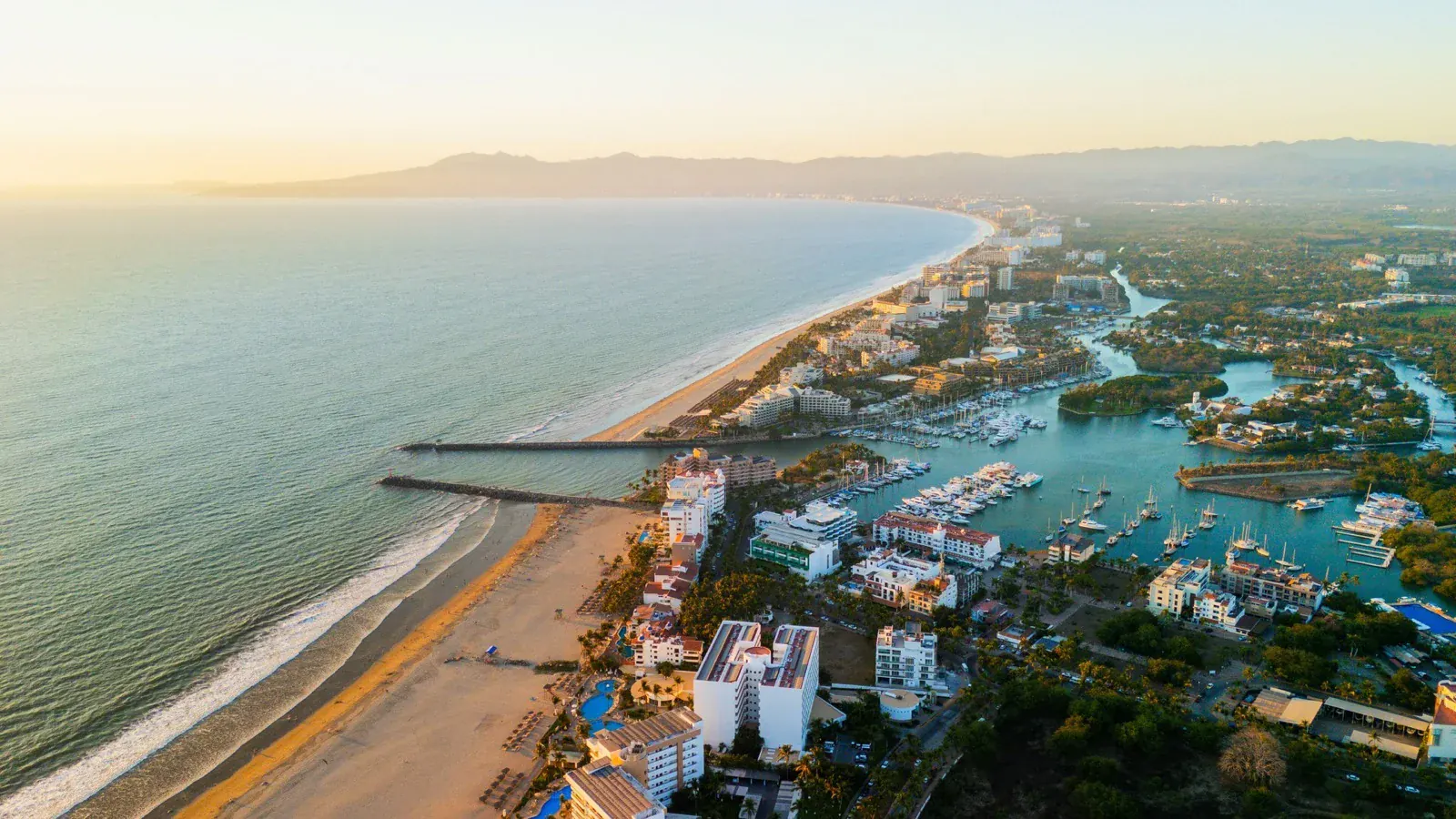
Banderas Bay is much more than the beautiful body of water in front of Puerto Vallarta.
It is the natural landscape that connects two Mexican states, several internationally known destinations, protected islands, tropical forests and an extraordinary diversity of marine wildlife.
Stretching along Mexico's Pacific coast between Jalisco and Nayarit, Banderas Bay is approximately 42 kilometers from east to west and 32 kilometers from north to south. Scientific studies describe it as one of the largest bays on Mexico's Pacific coast and highlight its remarkable range of marine and coastal ecosystems.
For visitors, however, the best way to understand Banderas Bay is much simpler:
it is the natural playground surrounding Puerto Vallarta.
Geography
One Bay, Two States
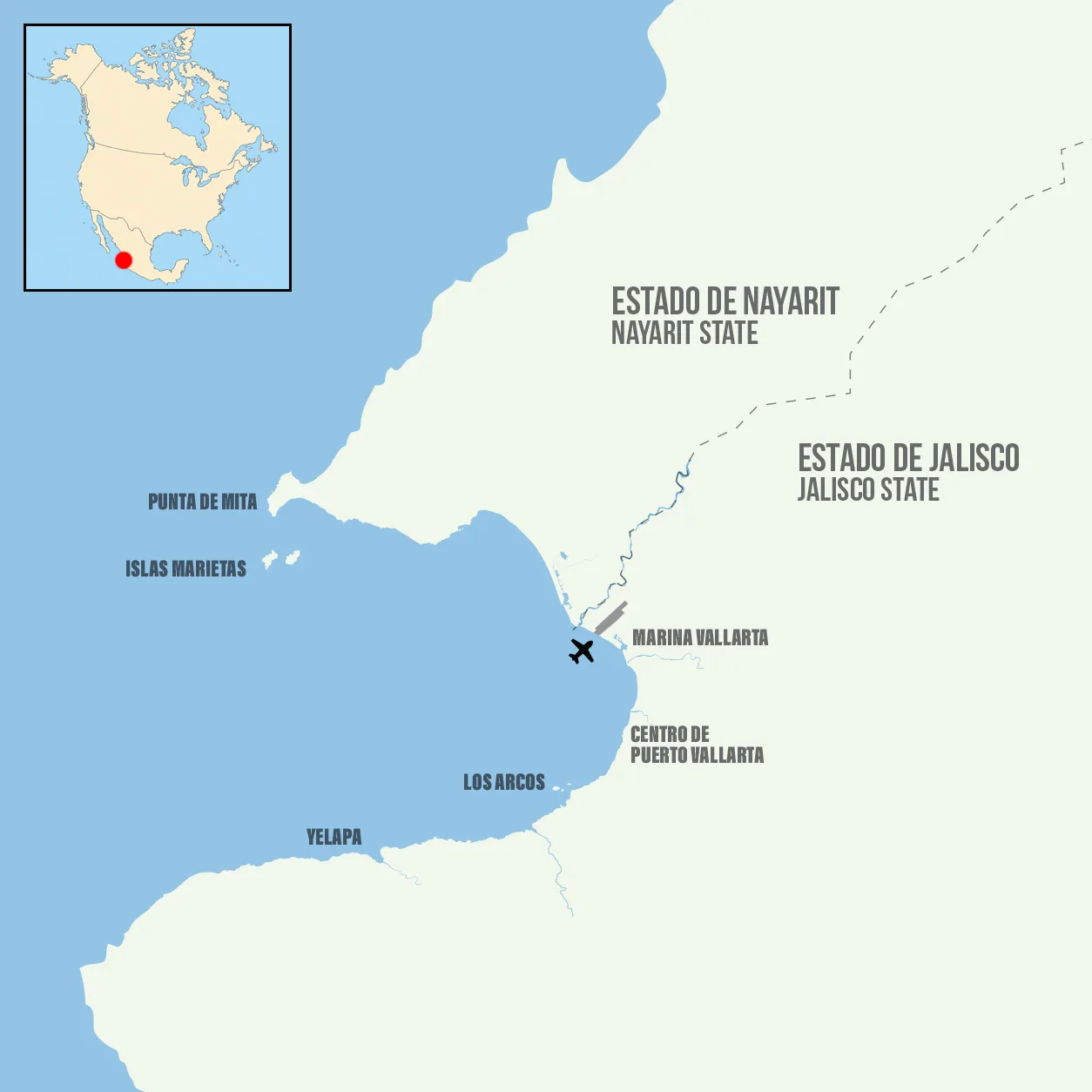
One of the most confusing things for first-time visitors is that Banderas Bay is not contained within a single state.
The northern coast belongs to Nayarit, while much of the eastern and southern coastline belongs to Jalisco.
The Ameca River area marks part of this transition between the two states. North of it, visitors enter the municipality of Bahía de Banderas, Nayarit. To the south lies Puerto Vallarta, Jalisco, followed by the tropical coastline toward Mismaloya and Cabo Corrientes.
This political boundary is almost invisible to travelers.
You can have breakfast in Puerto Vallarta, cross into Nayarit a short time later, spend the afternoon around Punta de Mita and still feel as though you have been exploring one continuous destination.
That destination is Banderas Bay.
Jalisco Side
Puerto Vallarta: The Southern Gateway
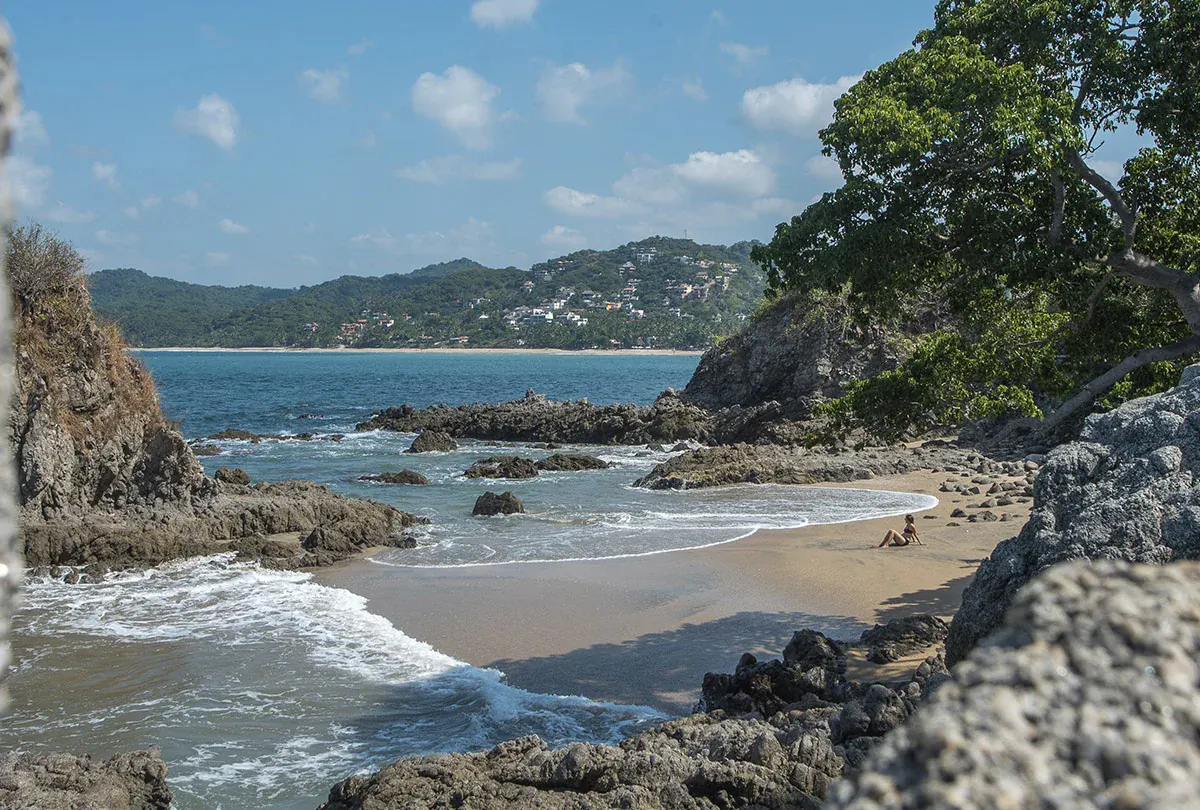
On the Jalisco side sits Puerto Vallarta, the best-known city in the bay and one of Mexico's most established international tourism destinations.
Its historic center, restaurants, beaches, marina and international airport make Puerto Vallarta the main urban hub for much of the surrounding region.
It is also where many nature adventures into Banderas Bay begin.
Boats leave Puerto Vallarta in search of humpback whales and wild dolphins, travel south toward Los Arcos or cross the bay toward the Marietas Islands and Punta de Mita.
Nayarit Side
Nuevo Nayarit: Resorts Meet Nature
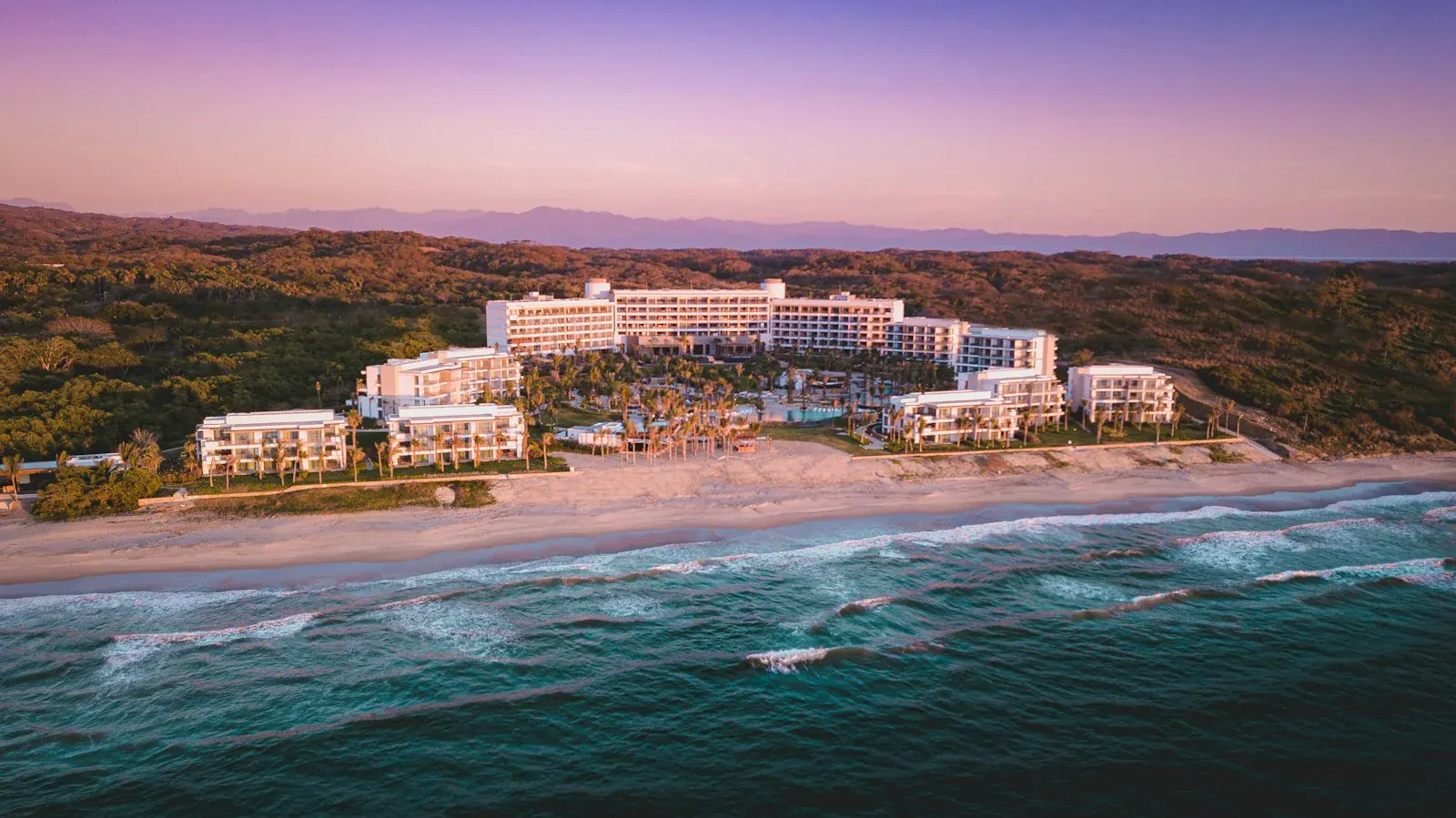
Travel north across the state line and you enter the municipality of Bahía de Banderas, Nayarit, one of the most important tourism regions on Mexico's Pacific coast.
One of its best-known resort communities is Nuevo Nayarit, formerly known as Nuevo Vallarta.
The destination combines long beaches, resorts, golf courses, a marina, restaurants and easy access to the rest of Banderas Bay. The municipal tourism office describes it as a strategic base for exploring places such as Bucerías, Punta de Mita and the Marietas Islands.
The broader municipality has also gained growing international attention for its combination of tourism, culture, nature and outdoor experiences.
Northern Entrance
Punta de Mita: Where the Bay Meets the Pacific
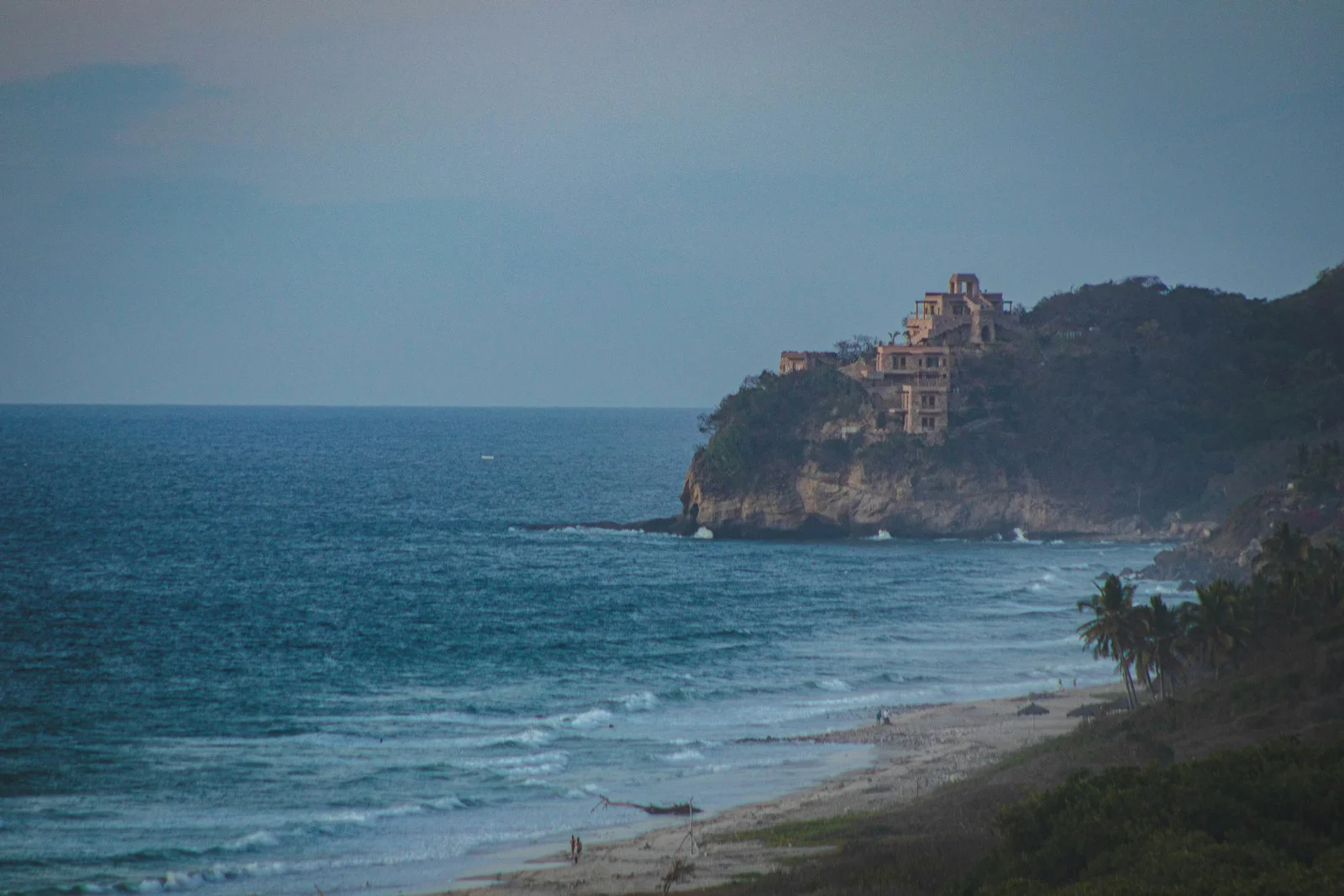
At the northern entrance to Banderas Bay lies Punta de Mita.
The peninsula forms one of the bay's geographical limits and is known internationally for luxury resorts, beaches, surfing, restaurants and spectacular ocean scenery.
But Punta de Mita is also important from an ecotourism perspective.
It places visitors close to some of the bay's most remarkable marine environments — especially the Marietas Islands.
Protected Islands
The Marietas Islands
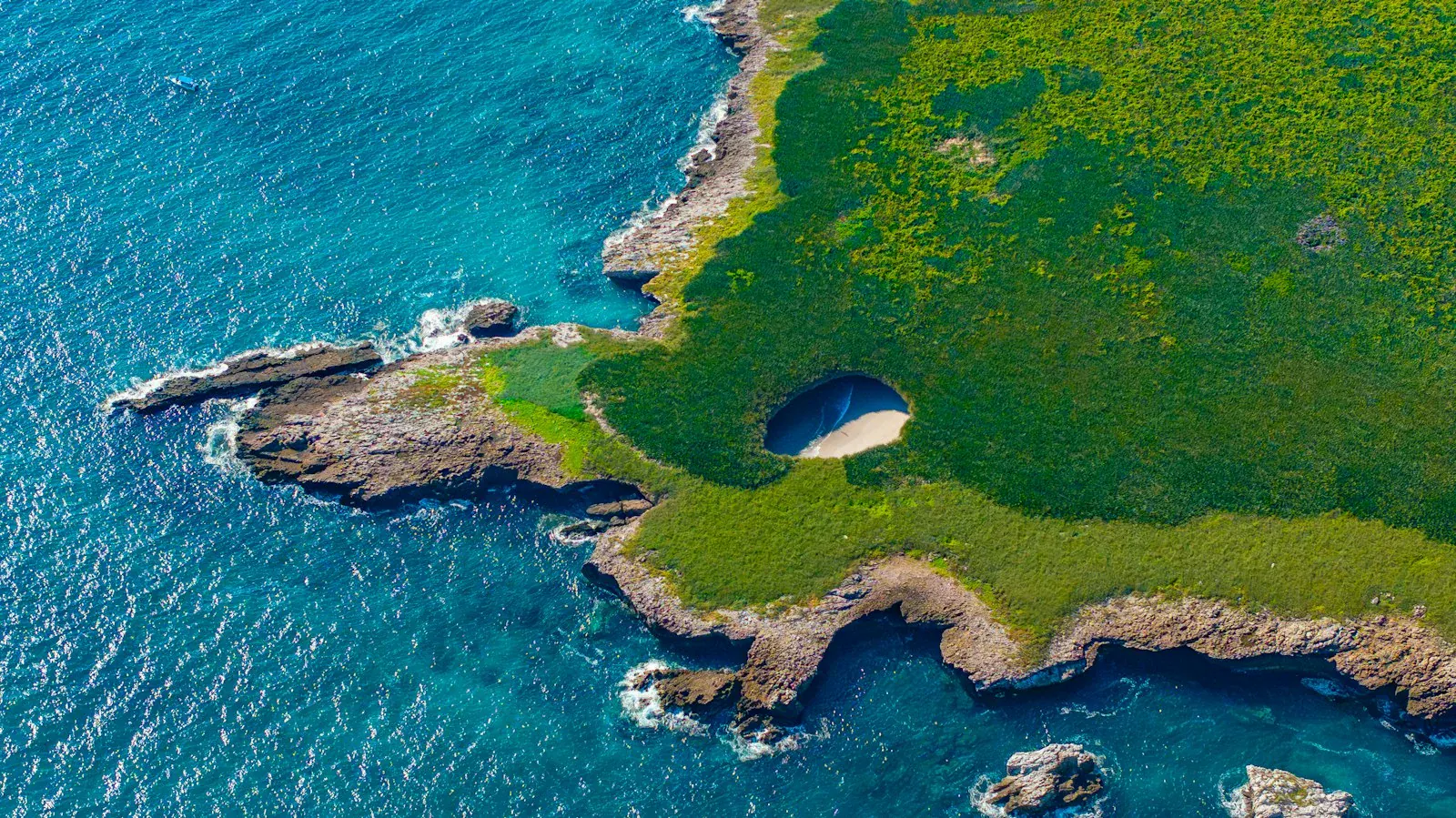
Just offshore from Punta de Mita, the Marietas Islands rise from the Pacific as one of the most recognizable natural attractions in the region.
The archipelago is part of a federally protected National Park and supports marine life as well as important seabird colonies. Its unusual volcanic formations, reefs, caves and surrounding waters make it an exceptional destination for snorkeling, wildlife observation and nature photography.
Ecotours Vallarta visits this environment during its Snorkeling at Islas Marietas experience, combining time in the water with the opportunity to observe the islands' wildlife and learn about this protected ecosystem.
Biodiversity
Why Is Banderas Bay So Biodiverse?
Banderas Bay sits in an especially interesting part of the Mexican Pacific.
Different tropical and subtropical water masses influence the region, while its coastline contains beaches, estuaries, wetlands, rocky shores, islands, reefs and tropical forest.
Mexico's biodiversity authorities classify Bahía de Banderas as an important marine region and list a wide variety of organisms, including fish, mollusks, crustaceans, marine mammals, resident and migratory birds, mangroves and tropical forest species.
That diversity explains why so many different nature experiences are possible within a relatively compact area.
Winter Season
Humpback Whales Spend the Winter Here
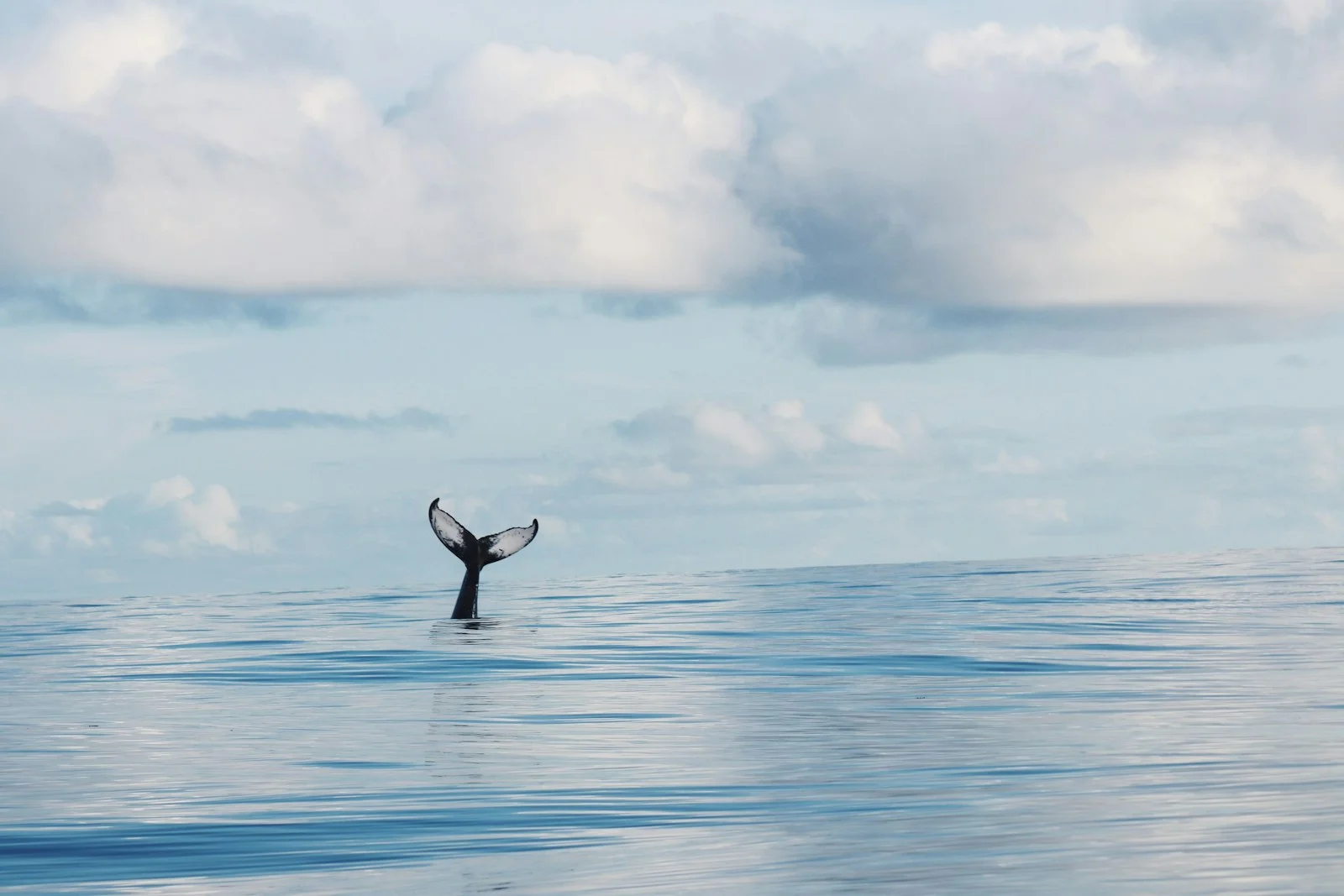
During winter, Banderas Bay becomes one of Mexico's best-known locations for humpback whale watching.
Whales migrate to the warm waters of western Mexico for breeding and calving, making the bay an important seasonal habitat.
From December through March, visitors may see adults traveling through the bay, competitive groups, mothers with calves and the spectacular surface behaviors that have made humpback whales famous.
For Ecotours Vallarta, whale watching is also closely connected with research, environmental education and responsible navigation around these animals.
Year-Round Wildlife
Dolphins, Turtles and Manta Rays
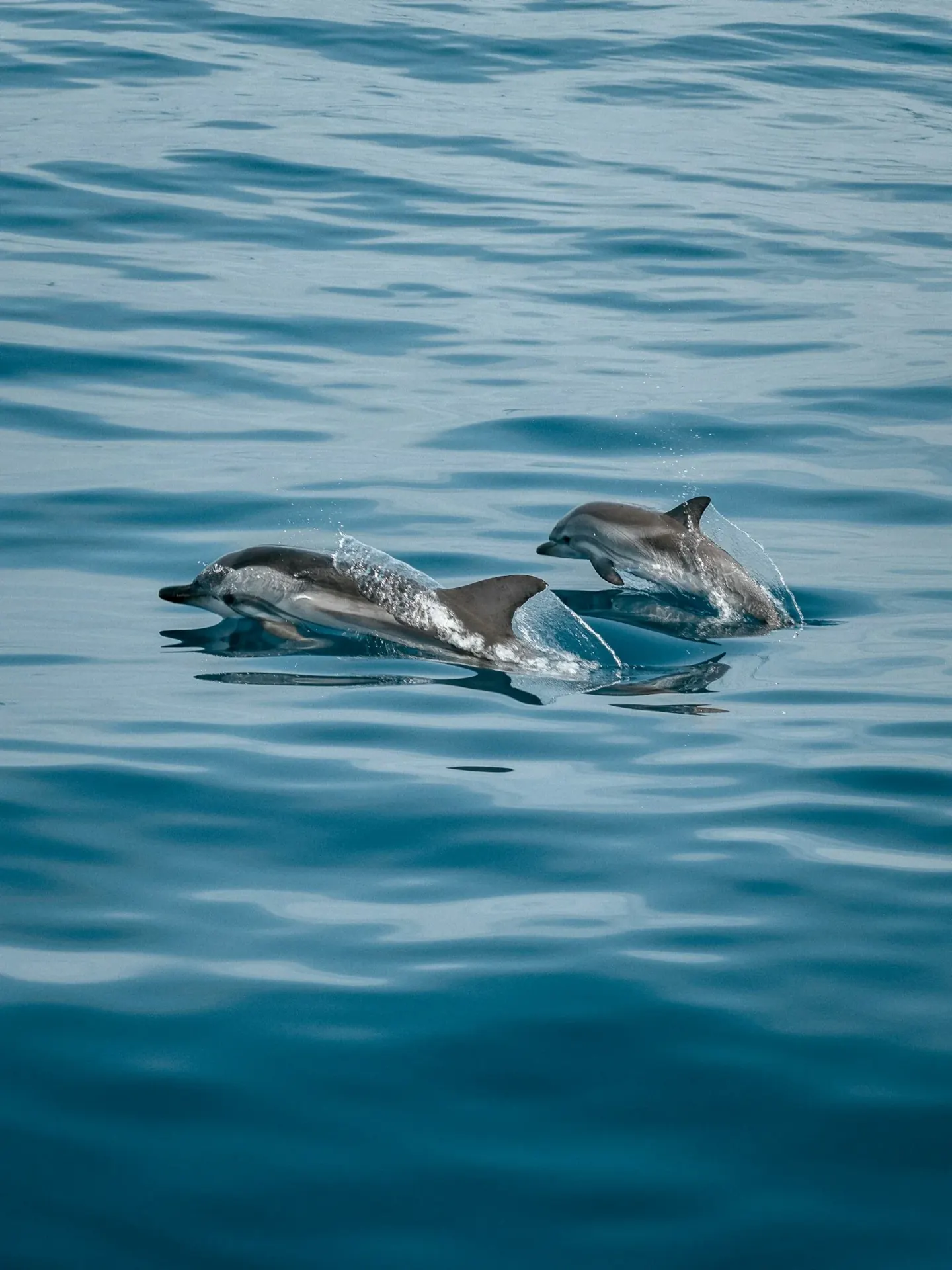
Whales may be the stars of winter, but wildlife in Banderas Bay doesn't disappear when whale season ends.
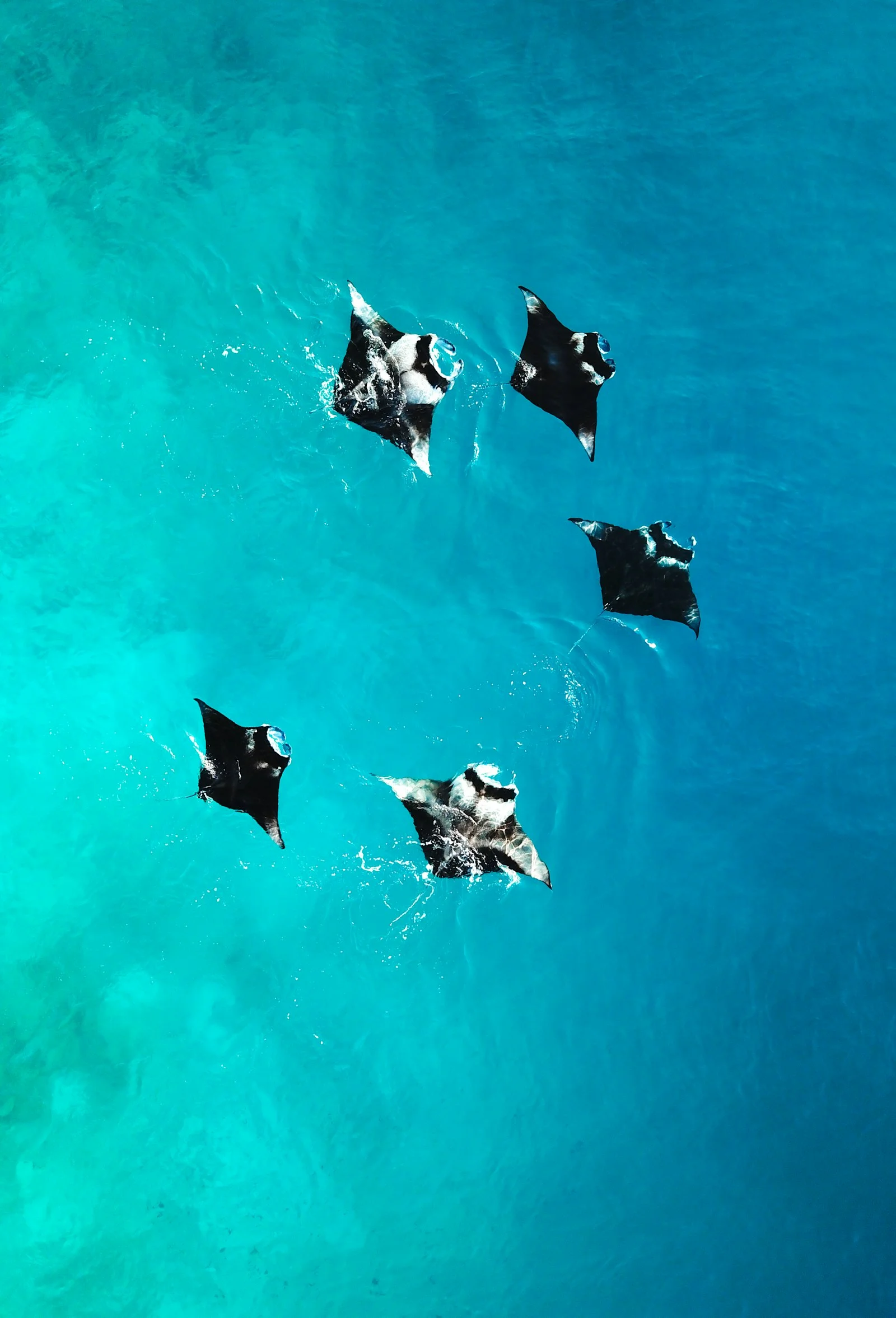
Wild dolphins can be encountered throughout the year, including bottlenose dolphins that live and move through the bay.
Sea turtles use the region's coastal and marine habitats, while rays, tropical fish and many other species can be encountered during snorkeling and diving excursions.
This is one of the great advantages of Banderas Bay as an ecotourism destination:
there is always something happening in nature.
Bird Watching
Look Up: Banderas Bay Is Also for Bird Lovers
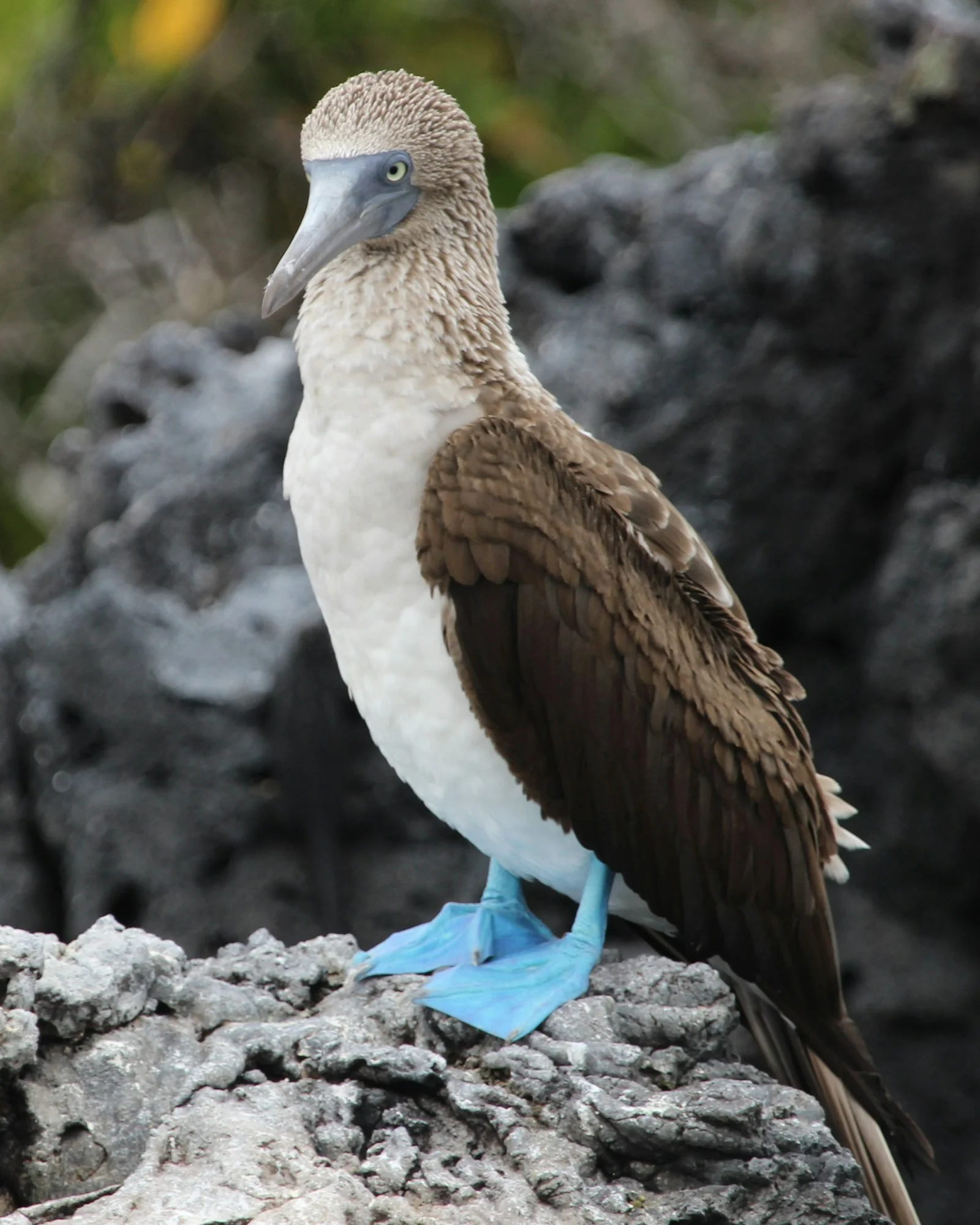
The richness of Banderas Bay is not limited to the ocean.
Its islands, wetlands, estuaries and surrounding tropical forests provide habitat for an impressive variety of birds.
Pelicans, frigatebirds, herons and other coastal species are common sights, while the Marietas Islands are known for their seabird colonies.
Head inland or toward the Sierra Madre and Sierra de Vallejo, and the birdlife changes completely.
For birdwatchers, this combination of ocean, wetlands and tropical forest makes the greater Banderas Bay region especially rewarding.
Getting Here
Flying to Banderas Bay: Why the Airport Names Can Be Confusing

This is where geography sometimes confuses international visitors.
Many travelers book a hotel in Nuevo Nayarit, Bucerías or Punta de Mita — all in the state of Nayarit — but arrive through Puerto Vallarta International Airport (PVR), which is located in Jalisco.
There is nothing unusual about this.
The state line is very close to Puerto Vallarta's airport, and the tourism destinations on both sides of Banderas Bay function as a connected region.
For example, Nuevo Nayarit is promoted as being only about 20 minutes from Puerto Vallarta International Airport.
Nayarit now also has the Tepic–Riviera Nayarit International Airport (TPQ), with domestic and international connections. However, PVR remains an extremely important gateway for visitors staying along the southern Riviera Nayarit and Banderas Bay corridor.
So if your hotel says Nayarit while your airline ticket says Puerto Vallarta, Jalisco, don't worry.
You are simply experiencing one of the peculiarities of traveling around Banderas Bay.
Know Before You Go
One Destination, Many Names
Visitors will encounter several geographical names while planning a trip:
Puerto Vallarta is the city in Jalisco.
Bahía de Banderas is both the natural bay shared by Jalisco and Nayarit and the name of the neighboring municipality in Nayarit.
Riviera Nayarit is the tourism region extending along Nayarit's Pacific coast.
Nuevo Nayarit — formerly Nuevo Vallarta — is one of the resort destinations inside the municipality of Bahía de Banderas.
And Punta de Mita lies at the bay's northern entrance.
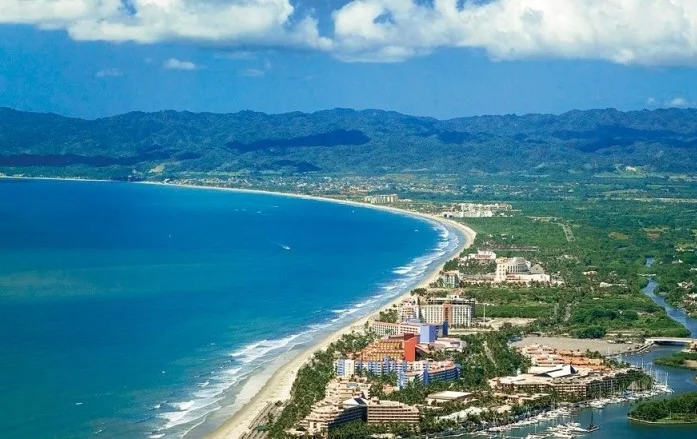
Different names, different political boundaries — but from a traveler's perspective, they are all connected by the same extraordinary coastline.
Explore With Us
Explore Banderas Bay with Ecotours Vallarta
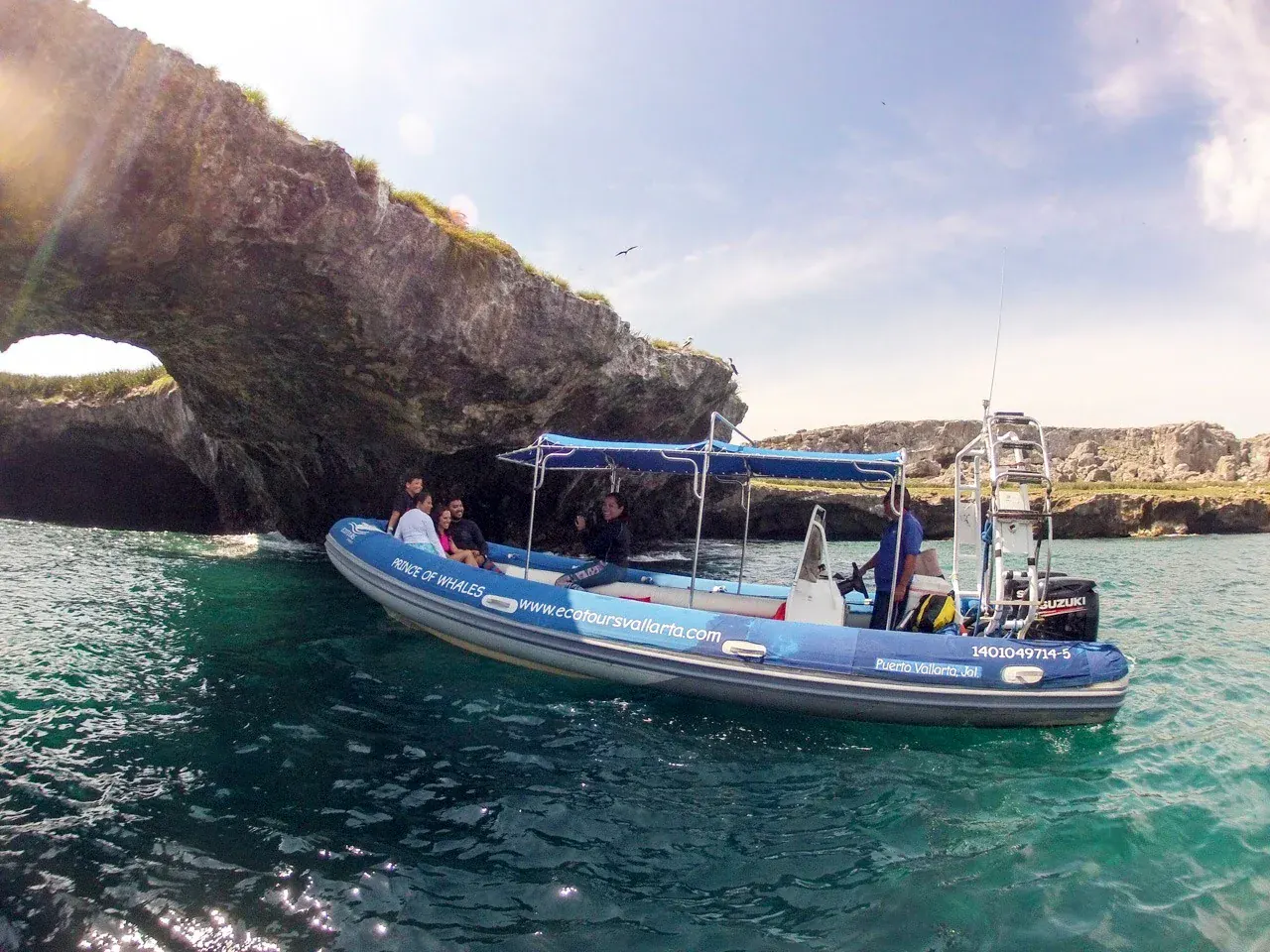
For 30 years, Ecotours Vallarta has explored Banderas Bay from the water, the coast and the surrounding forests.
Our nature experiences include:
- Humpback whale watching
- Wild dolphin encounters
- Marietas Islands snorkeling
- Los Arcos snorkeling
- Scuba diving
- Sea turtle conservation
- Bird watching
- Hiking and coastal exploration
- Private nature tours
The bay is not simply the backdrop for these experiences.
It is the reason they exist.
The Big Picture
Banderas Bay Is the Destination
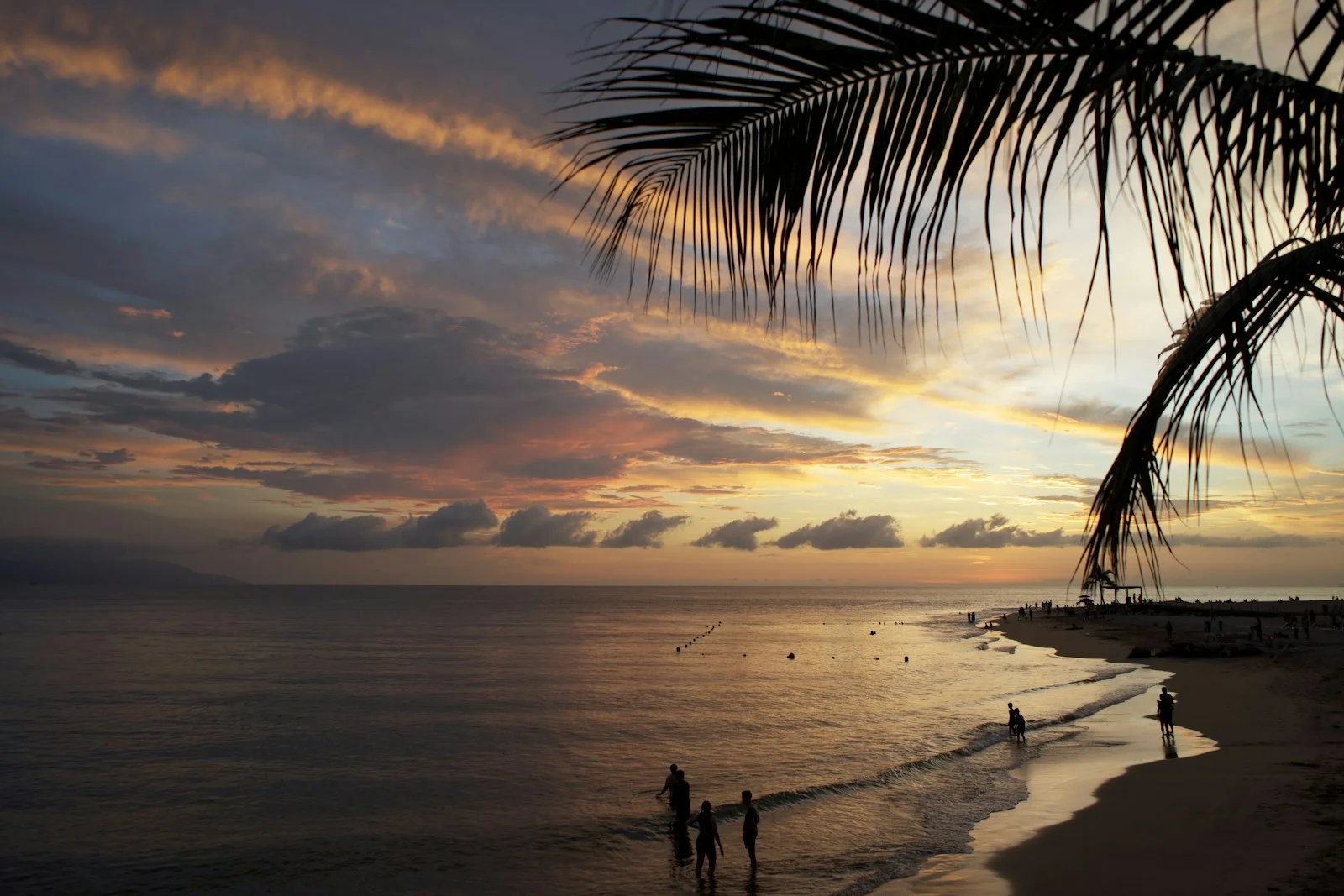
Puerto Vallarta may be the name travelers recognize first.
Punta de Mita may be where they stay.
The Marietas Islands may be the adventure they remember.
And Nuevo Nayarit may be the beach they return to every year.
But all of them are connected by one extraordinary natural environment:
Banderas Bay.
A place where two states meet, mountains reach the Pacific, whales arrive every winter and wildlife remains part of everyday life.
For nature lovers, it is much more than a bay on the map.
It is one of the great reasons to visit this part of Mexico.