

Nature, Culture and Ecotourism on Banderas Bay
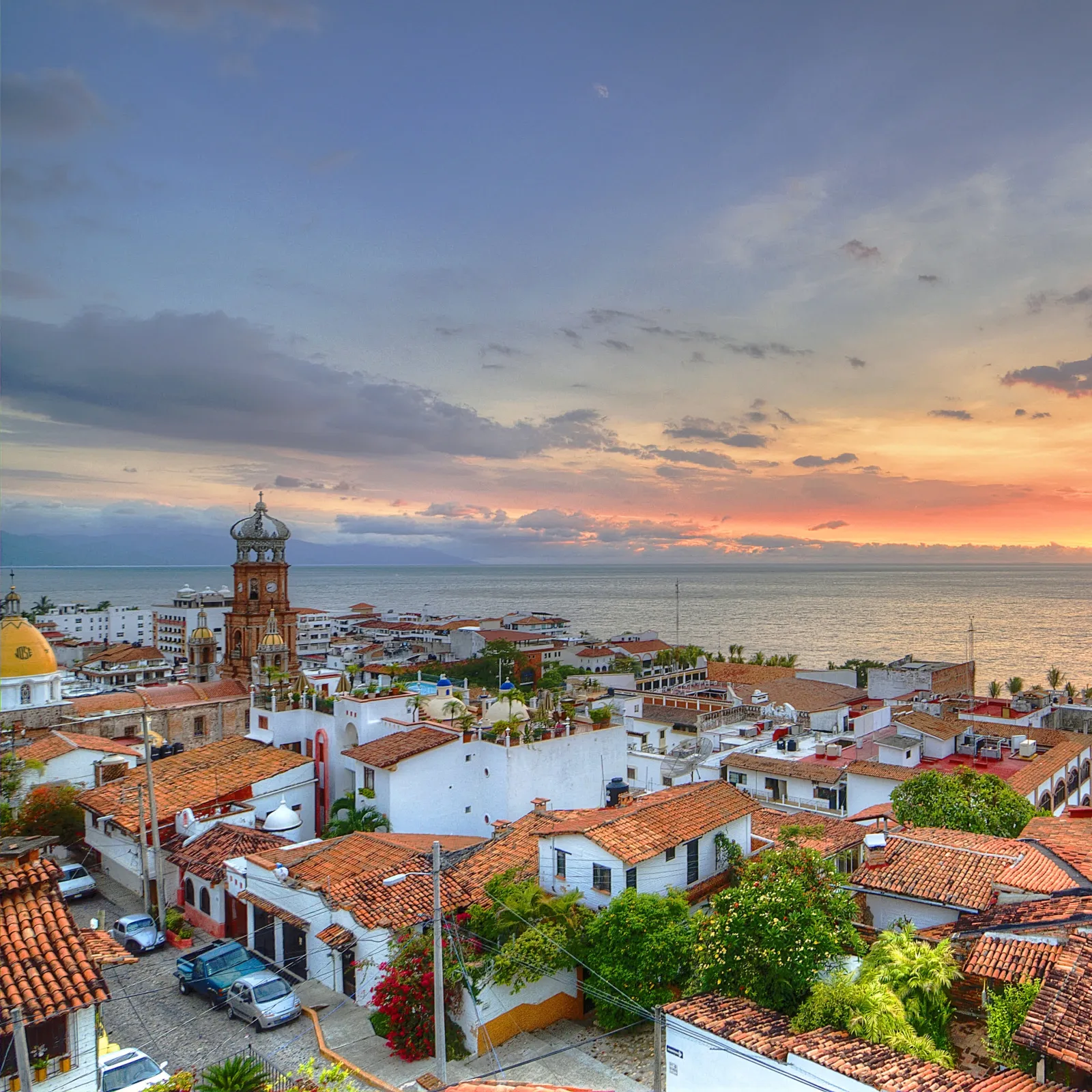
Puerto Vallarta is one of those destinations where it is difficult to decide what catches your attention first.
It might be the Pacific Ocean stretching across Banderas Bay. It might be the green mountains of the Sierra Madre rising directly behind the city. Or perhaps it is the old streets of downtown Puerto Vallarta, where white façades, red clay roofs and cobblestone streets still give parts of the city the feeling of a small Mexican town.
This combination is what makes Puerto Vallarta special.
It is a major international beach destination, but it has never completely lost its identity as a coastal town. And just beyond its streets, hotels and restaurants lies an extraordinary natural environment filled with marine life, tropical forest and wildlife.
For travelers interested in nature, wildlife and ecotourism in Mexico, Puerto Vallarta offers much more than a beautiful beach.
Location
Where Is Puerto Vallarta?
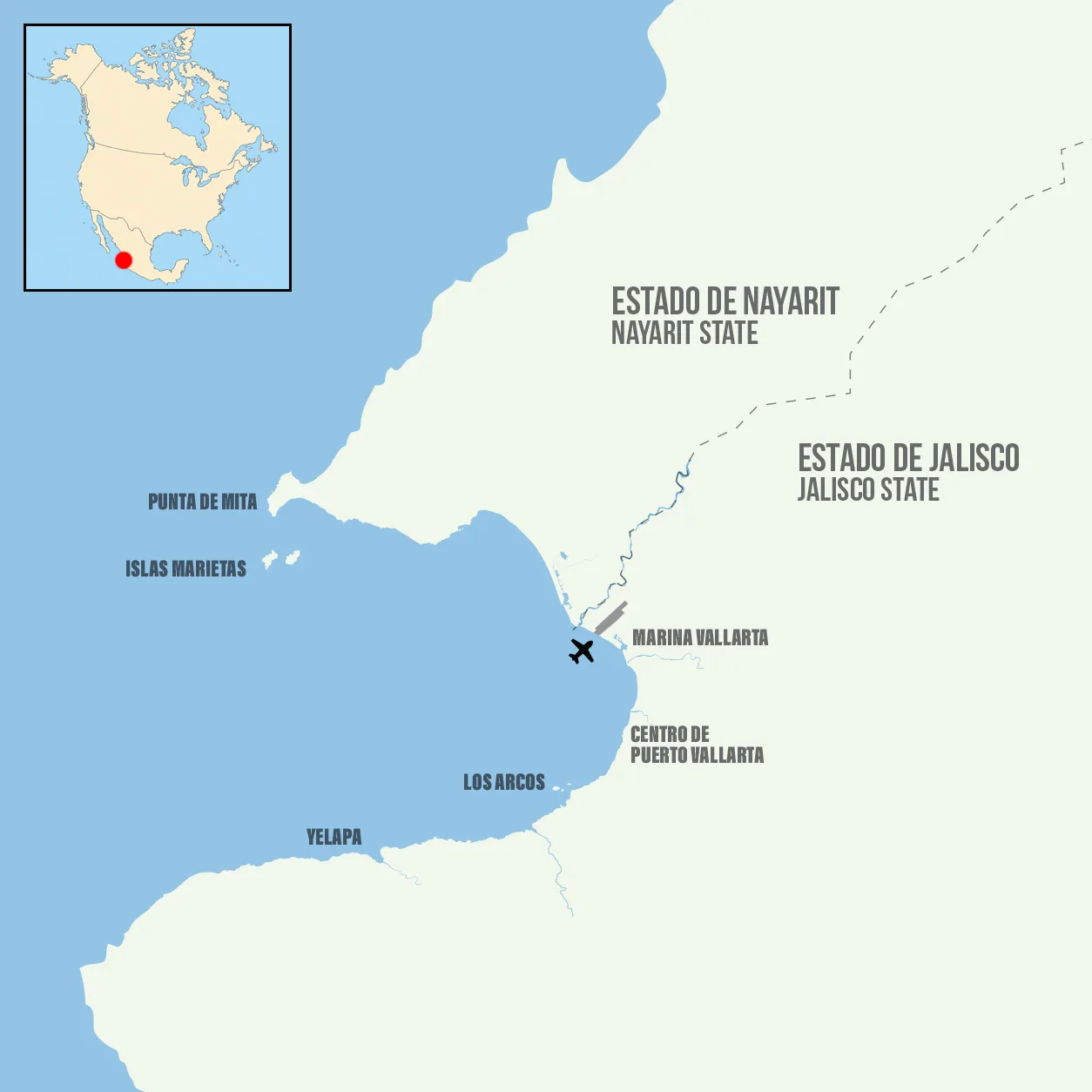
Puerto Vallarta is located on Mexico's Pacific coast in the state of Jalisco, along the eastern shore of Banderas Bay and at the foot of the Sierra Madre Mountains.
That geography explains much of the destination's character.
The city sits between the ocean and the mountains, while Banderas Bay extends north into the neighboring state of Nayarit. Within a relatively short distance, visitors can move between beaches, tropical forest, mangroves, mountain communities, rocky islands and open ocean.
Puerto Vallarta is also remarkably easy to reach.
The Puerto Vallarta International Airport (PVR) receives direct flights from major cities in Mexico, the United States and Canada, including Mexico City, Guadalajara, Monterrey, Los Angeles, Chicago, New York and Toronto.
For Mexican travelers, Guadalajara is especially close. The new highway has reduced the road journey to roughly two and a half hours, while direct flights take about 45 minutes. Mexico City is approximately an hour and a half away by air, as is Monterrey.
This accessibility is one of the reasons Puerto Vallarta works equally well for a long vacation, a quick beach escape or as a base for exploring Banderas Bay.
The City
A Beach Destination That Still Feels Mexican
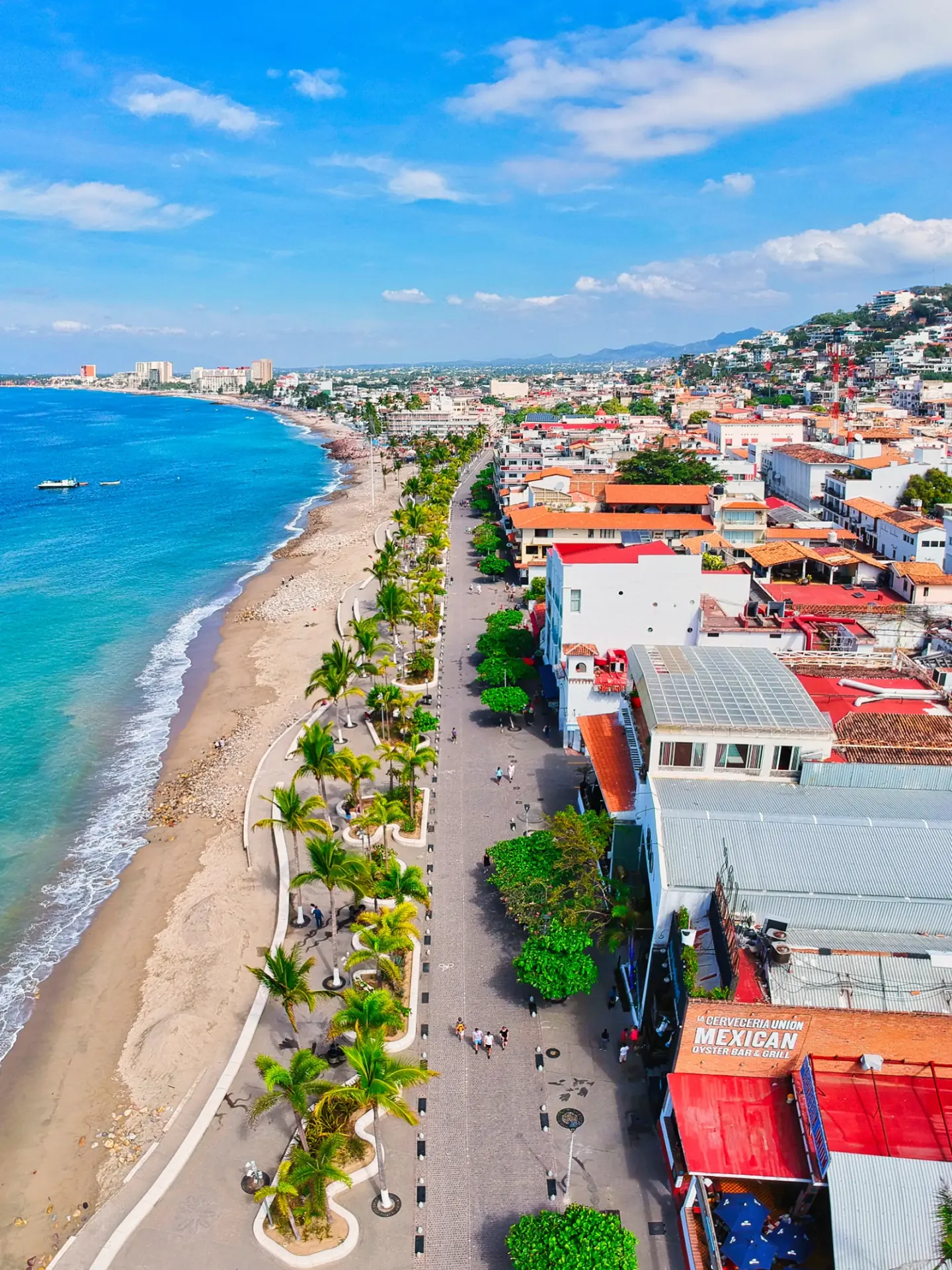
Puerto Vallarta has grown enormously over the decades, but some of its most appealing neighborhoods still preserve the atmosphere of the old town.
Walk away from the larger avenues and you will find cobblestone streets, terracotta roofs, colorful façades, balconies filled with flowers and small plazas.
The Church of Our Lady of Guadalupe rises above the historic center, while the Malecón follows the waterfront with sculptures, galleries, cafés and views of the Pacific.
This balance is important.
You can spend the morning hiking through tropical forest, the afternoon snorkeling in Banderas Bay and the evening walking through town for dinner.
Puerto Vallarta gives visitors access to nature without requiring them to leave behind the restaurants, hotels, culture and services of a well-developed international destination.
Ecotourism
Why Puerto Vallarta Is an Ecotourism Destination
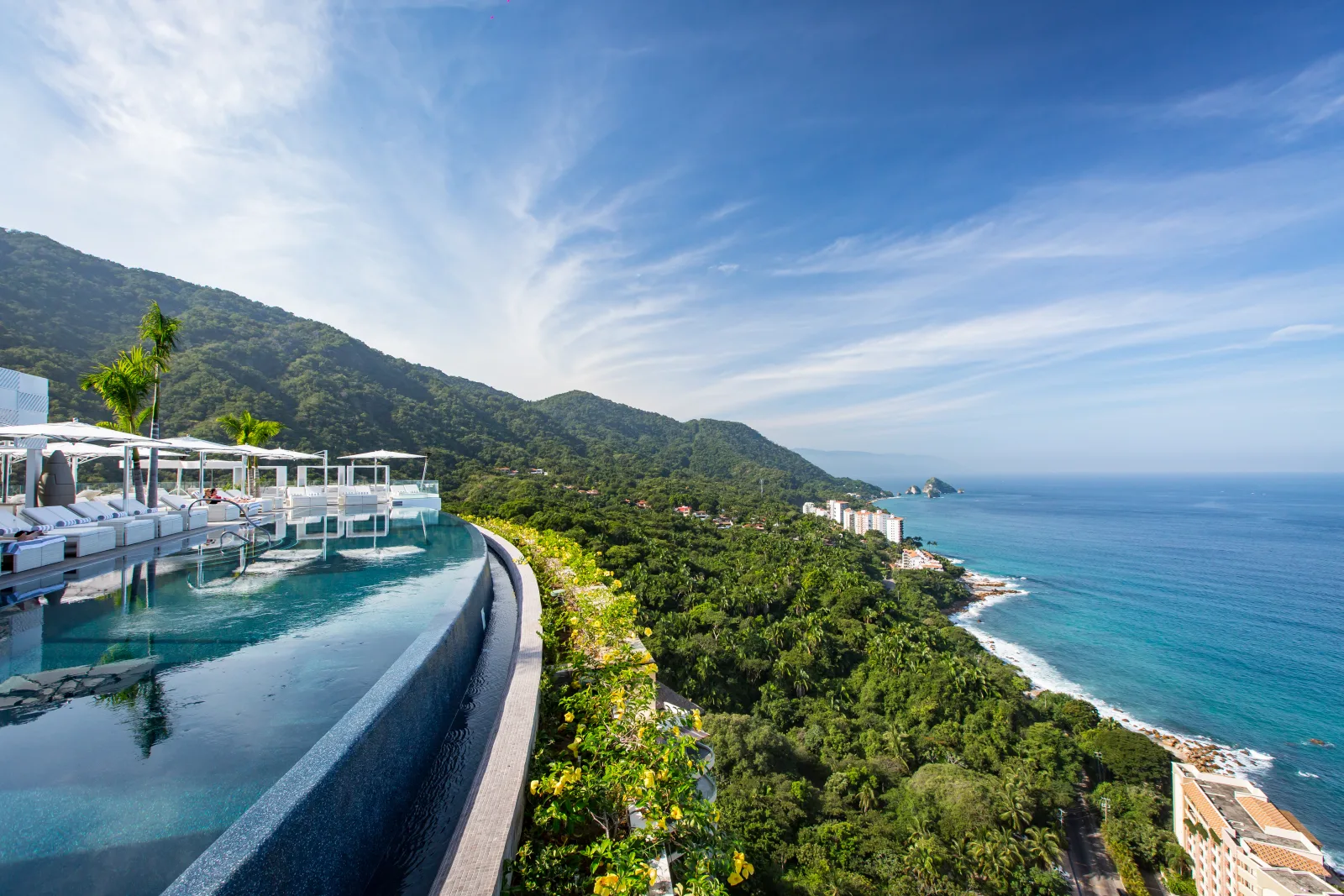
Puerto Vallarta is surrounded by a remarkable variety of ecosystems.
Around Banderas Bay you will find tropical forest, mountains, mangroves, rivers, beaches, rocky islands and marine environments — all within the same region. Official tourism sources describe the area as a major destination for ecotourism precisely because of this concentration of natural habitats and biodiversity.
This means that nature tourism here is not limited to a single activity.
Depending on the season, you can go whale watching, search for wild dolphins, snorkel or scuba dive, hike through tropical forest, visit protected islands, observe sea turtles or spend an early morning looking for tropical birds.
Puerto Vallarta's greatest attraction may actually be its surroundings.
The Bay
Banderas Bay: The Natural Heart of Puerto Vallarta
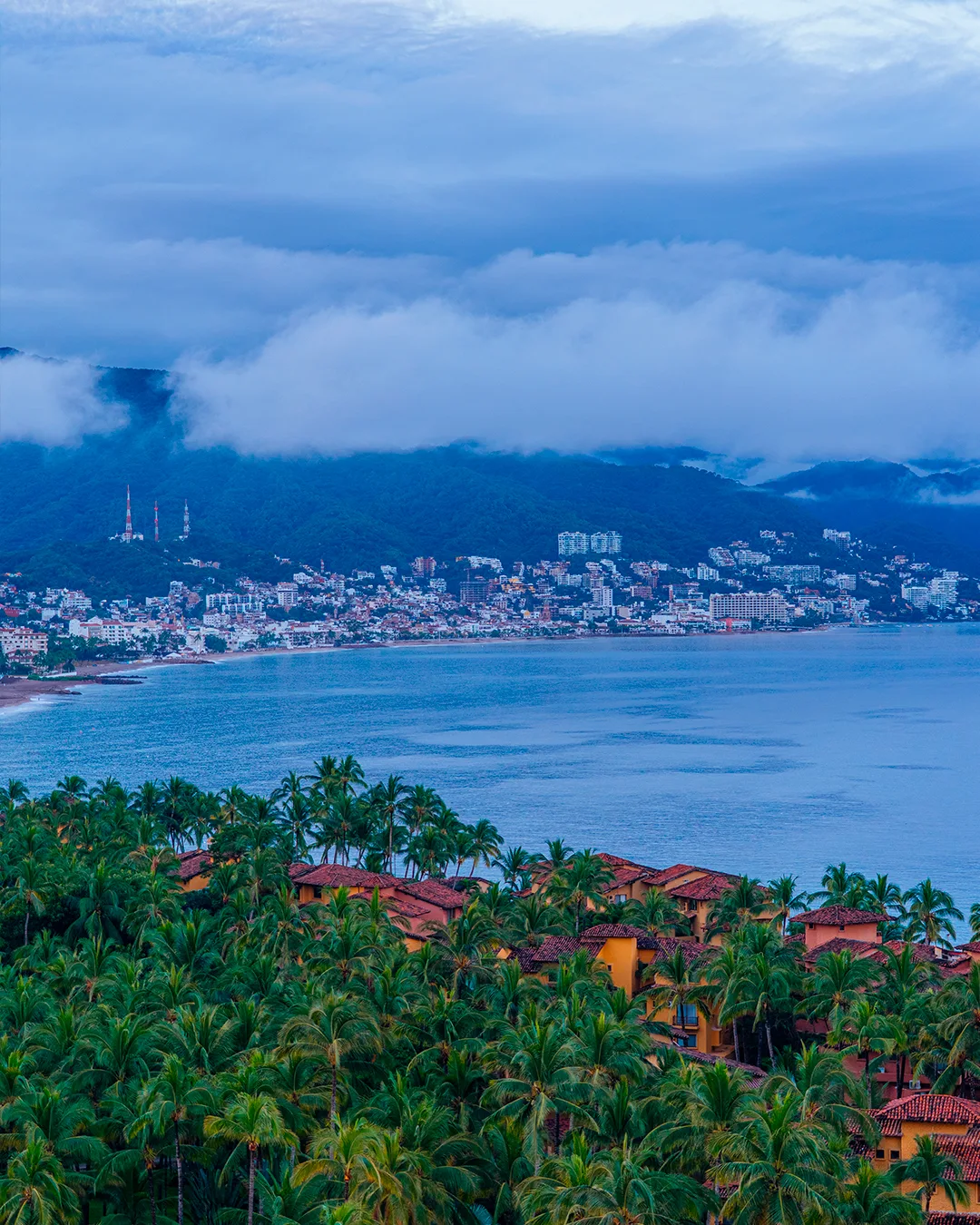
Banderas Bay is the natural stage on which much of Puerto Vallarta's wildlife experience takes place.
Stretching between Jalisco and Nayarit, the bay is known for its dramatic scale, warm waters and rich marine biodiversity. Its habitats support dolphins, sea turtles, manta rays, tropical fish and numerous species of marine birds.
And during winter, the bay welcomes one of its most famous seasonal visitors.
The humpback whale.
Winter Season
Humpback Whales in Puerto Vallarta
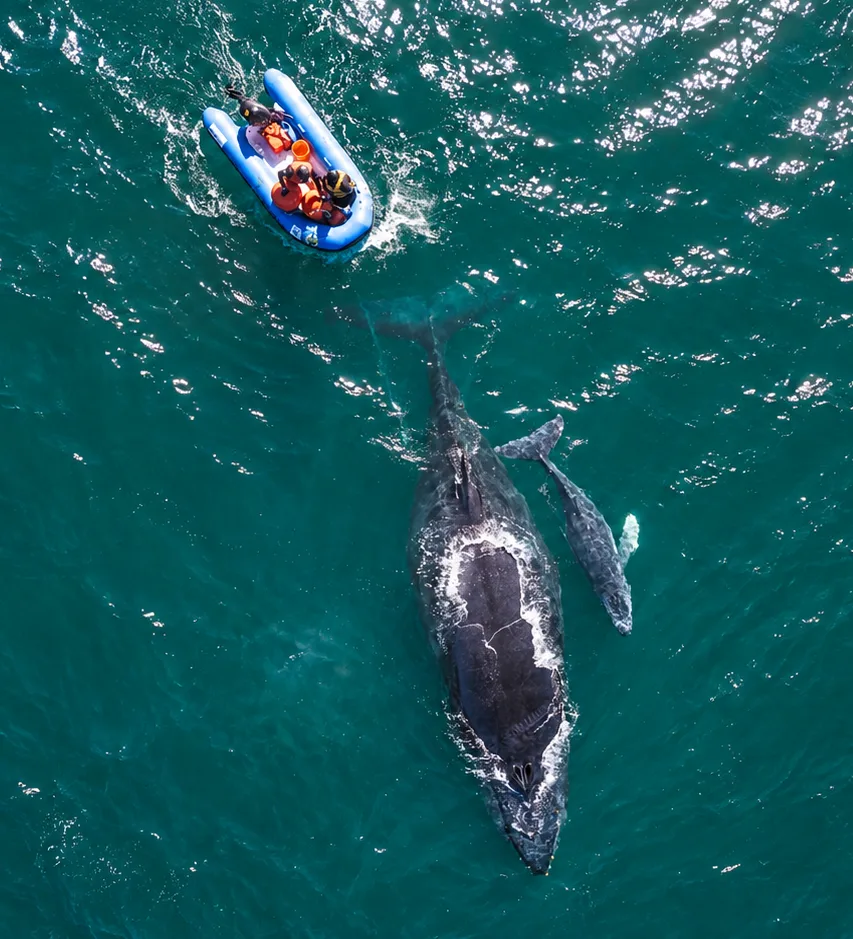
Every winter, humpback whales migrate into Banderas Bay after traveling thousands of kilometers through the North Pacific.
The warm waters of western Mexico provide important breeding and calving habitat. Mothers can be observed with their young, adult males compete and sing, and groups of whales move throughout the bay before beginning their northward migration again.
For visitors, whale season transforms Puerto Vallarta.
A blow on the horizon can suddenly appear while you are standing on the beach. From a boat, you may see a tail disappear beneath the surface, a mother traveling with her calf or — if you are lucky — a full breach.
But responsible whale watching is about more than getting close enough for a photograph.
It is an opportunity to observe wild animals in their natural habitat, learn about their behavior and understand why Banderas Bay is worth protecting.
Year-Round Wildlife
Wild Dolphins Live Here Too
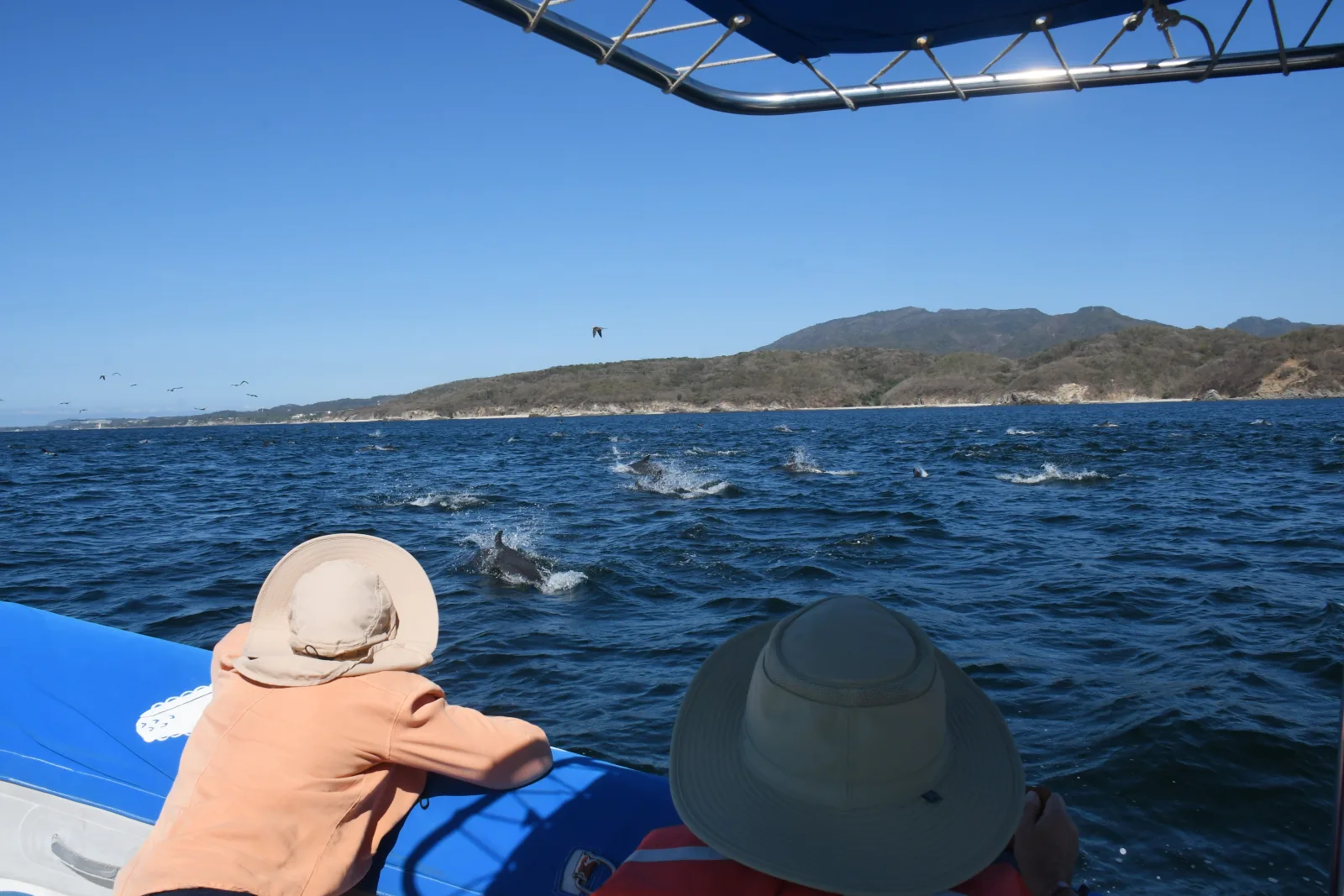
Unlike humpback whales, which are seasonal visitors, dolphins can be encountered in the region throughout the year.
Pacific bottlenose dolphins are commonly observed in the waters of Banderas Bay.
That makes Puerto Vallarta particularly interesting for travelers who want wildlife experiences outside whale season.
Watching dolphins in the wild is completely different from seeing them in captivity.
There is no scheduled performance.
Instead, guides search the bay and observe what the animals are naturally doing — traveling, feeding, socializing or occasionally approaching the boat on their own terms.
That unpredictability is precisely what makes a true wildlife encounter special.
Underwater
Sea Turtles, Manta Rays and Life Beneath the Surface
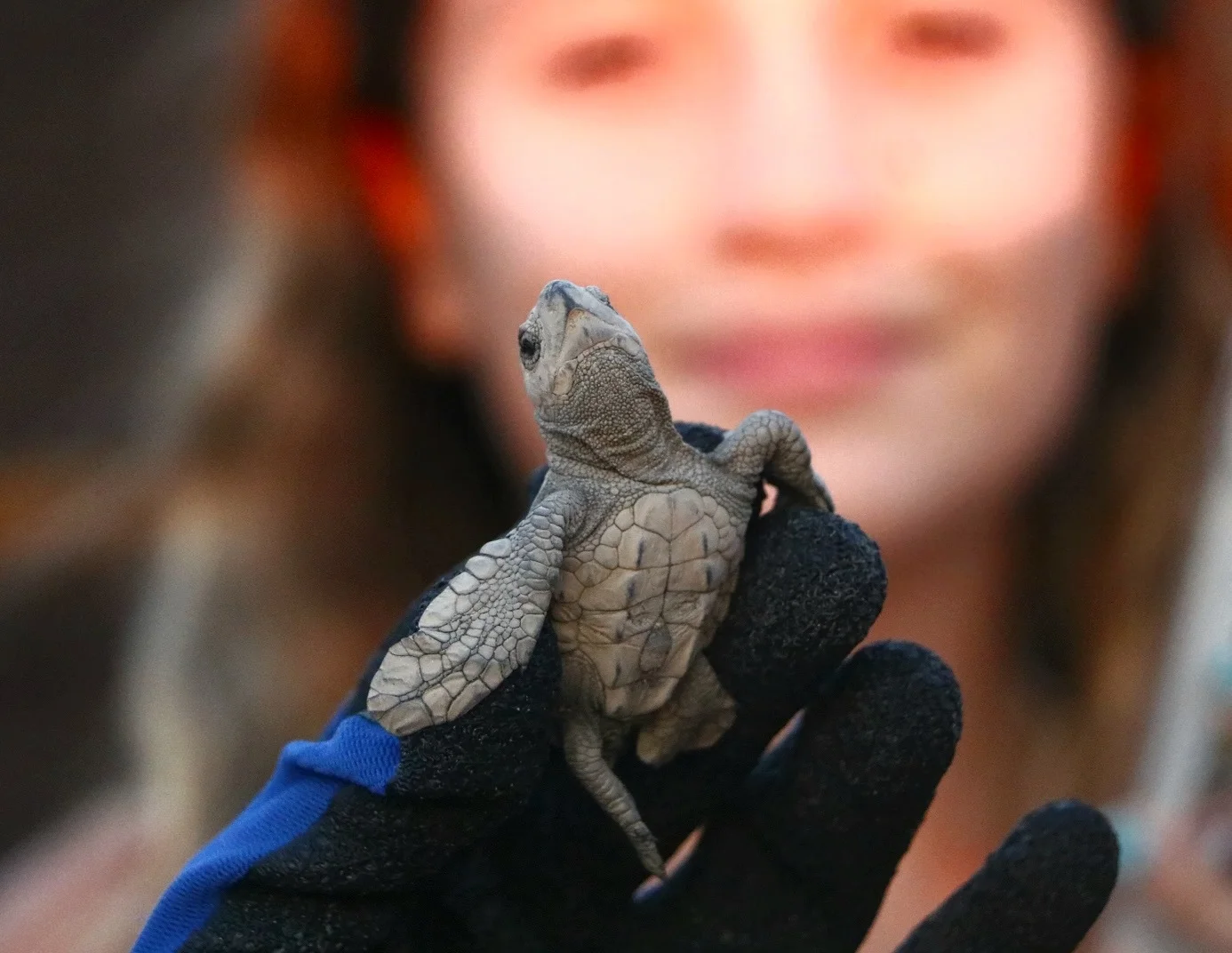
The biodiversity of Puerto Vallarta does not stop at whales and dolphins.
Manta rays and rays, sea turtles, schools of tropical fish, octopus and numerous other marine species inhabit Banderas Bay and its surrounding waters. Official regional tourism information also identifies manta rays, turtles and dolphins among the wildlife found around areas such as the Marietas Islands.
Places such as Los Arcos Marine Park and the Marietas Islands provide opportunities to explore beneath the surface by snorkeling or scuba diving.
Los Arcos, just south of Puerto Vallarta, combines dramatic granite formations above the water with reefs and marine life below.
Farther north, the Marietas Islands offer another protected environment where snorkeling, marine wildlife and seabird watching become part of the same day.
Bird Watching
A Paradise for Bird Watching
Look toward the mountains and Puerto Vallarta changes again.
The tropical forests surrounding Banderas Bay provide habitat for an impressive diversity of resident and migratory birds.
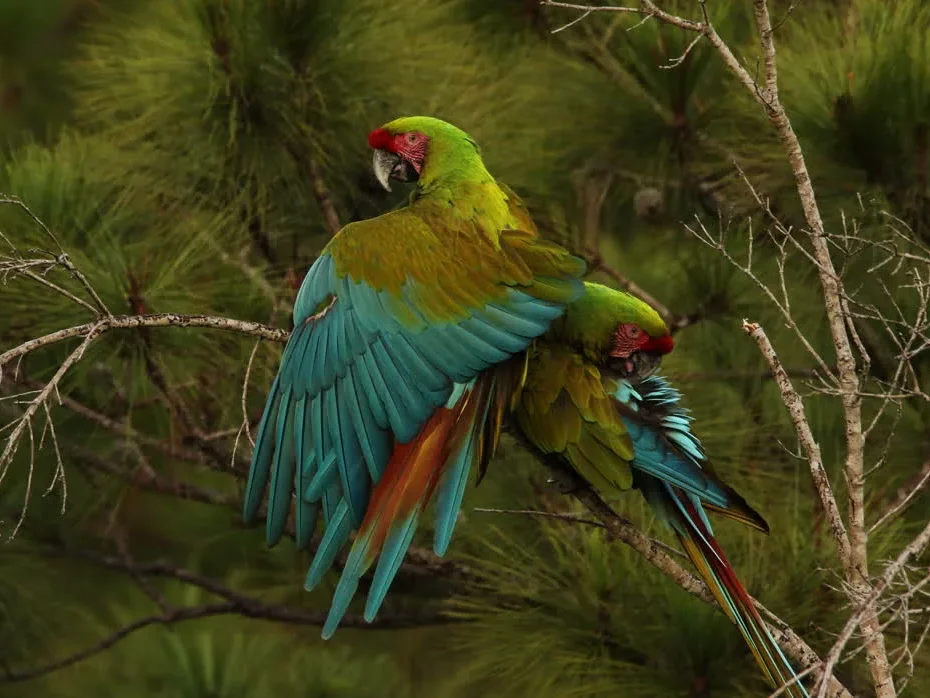
Depending on where you explore, you might encounter herons, frigatebirds, pelicans, woodpeckers, tropical species, blue-footed boobies around the Marietas Islands — and one of the region's most spectacular birds, the Military Macaw or green macaw.
The green macaw inhabits tropical forest around the region and is considered an endangered species. A conservation sanctuary in the mountains south of Puerto Vallarta works specifically with the species.
This diversity has helped turn bird watching in Puerto Vallarta and Banderas Bay into an important ecotourism activity.
And you don't have to be an expert birder to enjoy it.
Sometimes all it takes is hearing an unfamiliar call in the forest, seeing a flash of brilliant color overhead or watching a large group of macaws cross the sky.
Beyond the Bay
From the Ocean to the Sierra Madre
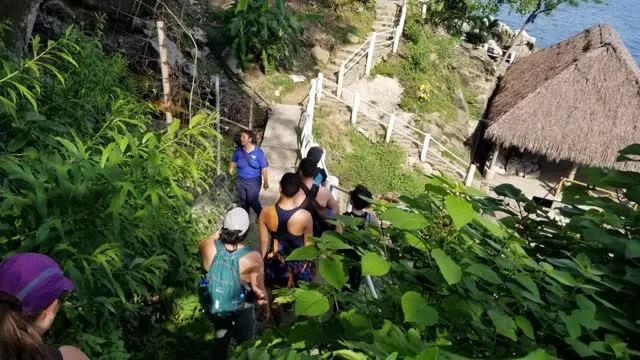
One of Puerto Vallarta's greatest advantages is how quickly the landscape changes.
South of town, roads and trails enter tropical forest almost immediately. Small beaches such as Colomitos are accessible along coastal trails, while nearby communities such as Quimixto and Yelapa combine jungle, waterfalls and ocean scenery.
Travel inland and the landscape rises into the Sierra Madre.
This proximity makes it possible to combine several kinds of nature experiences in a single trip.
You can snorkel one day, hike the next and go bird watching in the mountains the following morning.
That variety is one of the reasons ecotourism in Puerto Vallarta deserves to be considered separately from traditional beach tourism.
Our Commitment
Responsible Tourism Matters Here
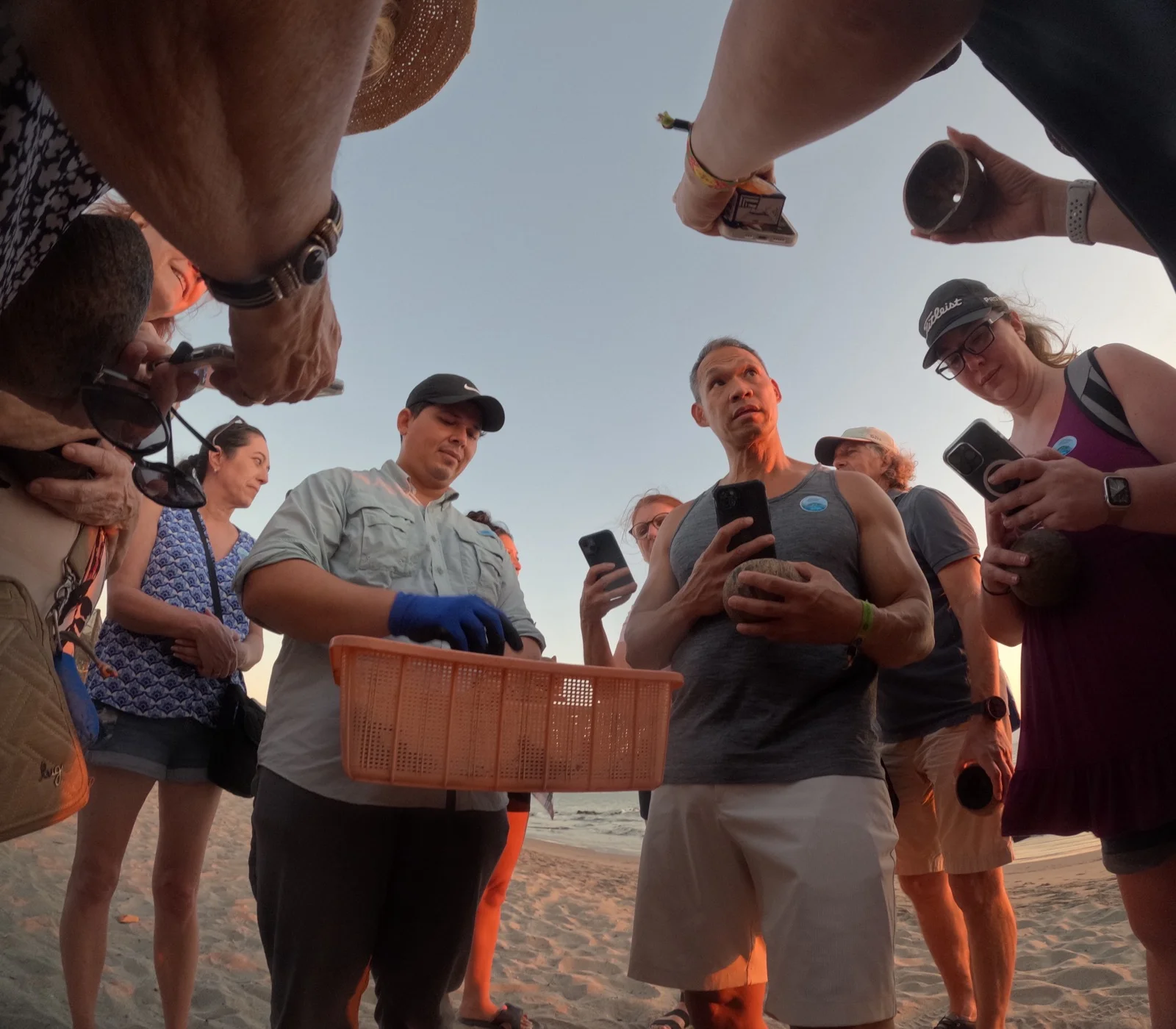
The wildlife that makes Puerto Vallarta attractive is also vulnerable.
Whales must share Banderas Bay with boats. Sea turtles return to beaches affected by urban development. Birds depend on remaining forest and wetland habitat. Marine ecosystems are influenced by everything from fishing practices to pollution.
Responsible tourism therefore matters.
Puerto Vallarta's tourism authorities actively promote conservation-oriented travel, protection of marine wildlife, clean beaches and participation in environmental initiatives.
For travelers, choosing small-group experiences, authorized wildlife operators and knowledgeable naturalist guides can make a real difference.
It also usually makes for a better experience.
When the person guiding you understands the animal, the ecosystem and the destination, suddenly you are not simply looking at a whale, bird or reef.
You understand what you are seeing.
Explore With Us
Discover Puerto Vallarta with Ecotours Vallarta
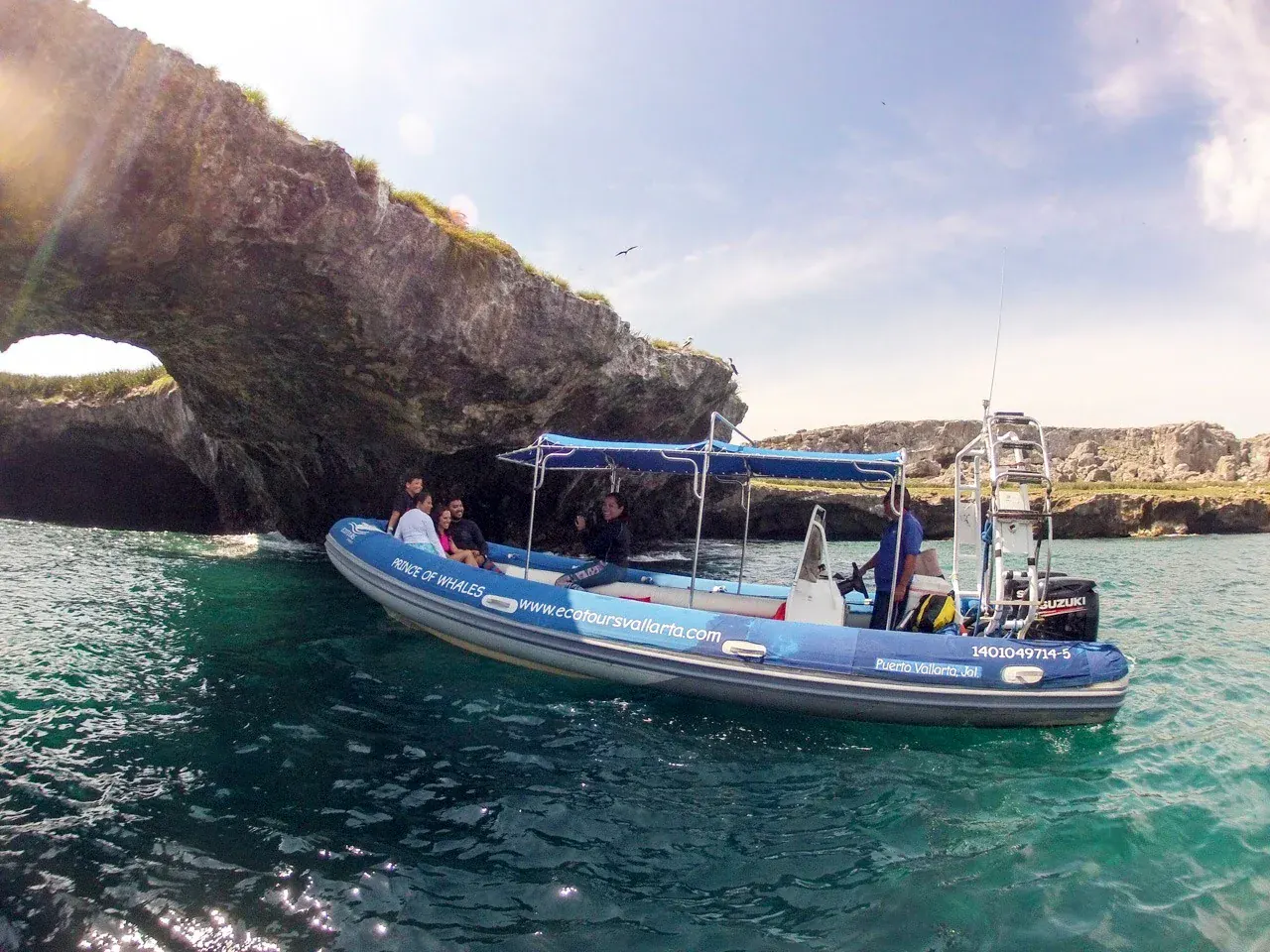
For 30 years, Ecotours Vallarta has explored this natural side of Puerto Vallarta.
Our team of biologists, naturalists and local guides leads small-group experiences throughout Banderas Bay and the surrounding region, including:
- Humpback whale watching
- Wild dolphin encounters
- Snorkeling at Los Arcos
- Marietas Islands tours
- Sea turtle conservation experiences
- Bird watching
- Hiking and snorkeling
- Scuba diving
- Private nature tours
Our goal is simple:
Help visitors discover Puerto Vallarta through its nature while contributing to the protection of the places and wildlife that make it special.
Come Explore
Puerto Vallarta Is More Than a Beach
Come for the Pacific sunsets. Walk the cobblestone streets. Have dinner beneath the red-tiled roofs of the old town.
But leave time to explore beyond the city.
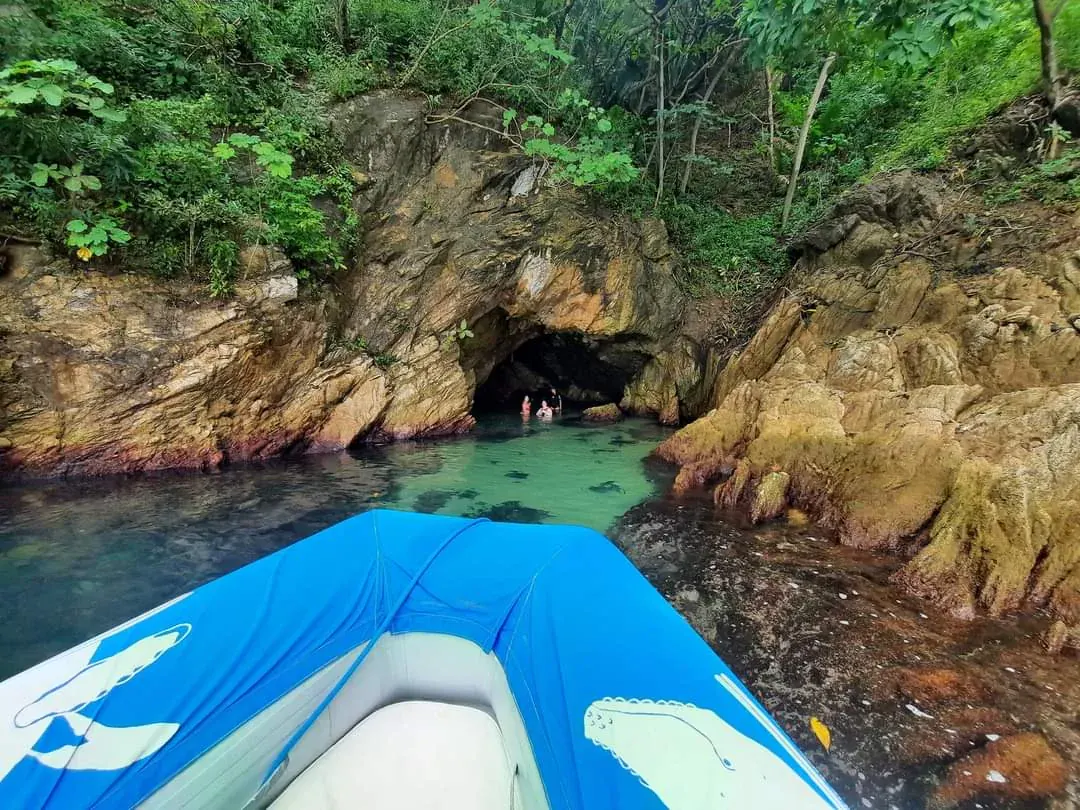
Go out into Banderas Bay. Walk into the forest. Look beneath the surface of the ocean. Watch the sky.
Because one of the most remarkable things about Puerto Vallarta is not simply what has been built here.
It is how much nature still surrounds it.
And sometimes, the best way to understand Puerto Vallarta is to leave the city behind for a few hours and discover the wild world right outside its door.