
For Karel Beets, ecotourism has never been only about taking people to beautiful places.
It is about helping them understand what they are seeing.
For more than 30 years, Karel has worked at the intersection of nature tourism, wildlife conservation, environmental education and adventure travel, guiding visitors through some of Mexico’s most remarkable ecosystems and helping train the people who work to protect them.
He holds a Master’s degree in Sustainable Development from the University of Guadalajara and a degree in Hotel Management from Universidad Iberoamericana, combining tourism experience with a long-term focus on conservation and responsible use of natural resources.
Building Ecotours Vallarta
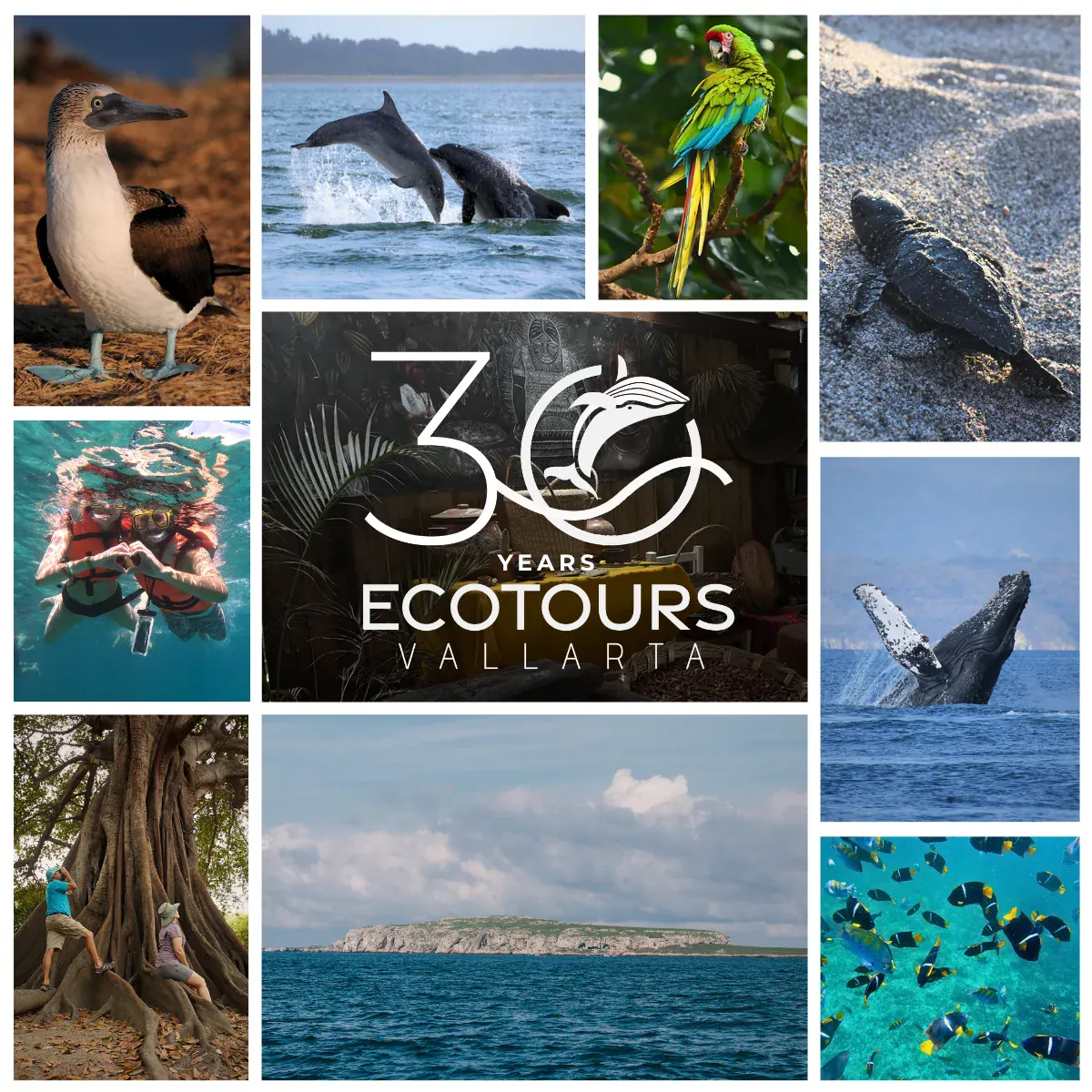
Since 1996, Karel has been a co-founder and director of Ecotours Vallarta, helping develop nature-based experiences in Banderas Bay and other ecotourism destinations throughout Mexico.
Over the years, that work has taken him far beyond traditional sightseeing.
His experience includes humpback whales, sea turtles, whale sharks, monarch butterflies and birdwatching, as well as environmental interpretation and the operation of specialized nature expeditions for both Mexican and international visitors.
That diversity says a lot about his approach to travel.
A whale-watching trip is not just a boat ride.
A birding expedition is not simply a checklist.
A visit to a remote natural area becomes much more meaningful when the guide can explain what is happening, why the ecosystem matters and how visitors can enjoy it responsibly.
Guiding People Into Nature
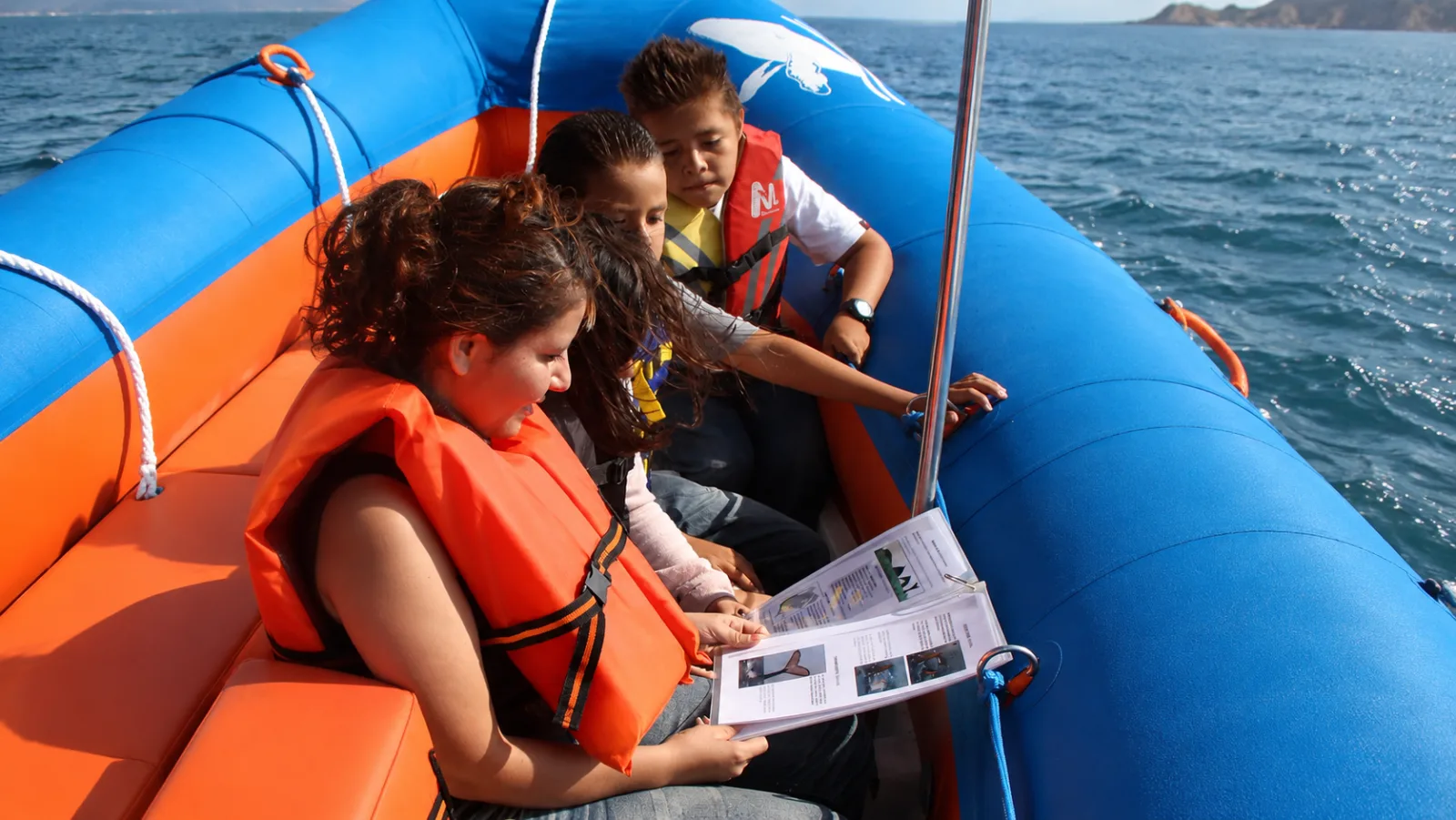
Karel has spent much of his professional life guiding people through Mexico’s natural environments.
He has worked with international groups and organizations including the World Wildlife Fund, National Wildlife Federation and the American Museum of Natural History, leading expeditions focused on nature and conservation.
His background as a federally accredited nature guide, combined with decades of field experience, has allowed him to work comfortably with travelers who want much more than a standard tour.
For Karel, interpretation is part of the experience.
The goal is not only to reach a destination, but to help people leave knowing more about it than when they arrived.
A Long Relationship With Whales
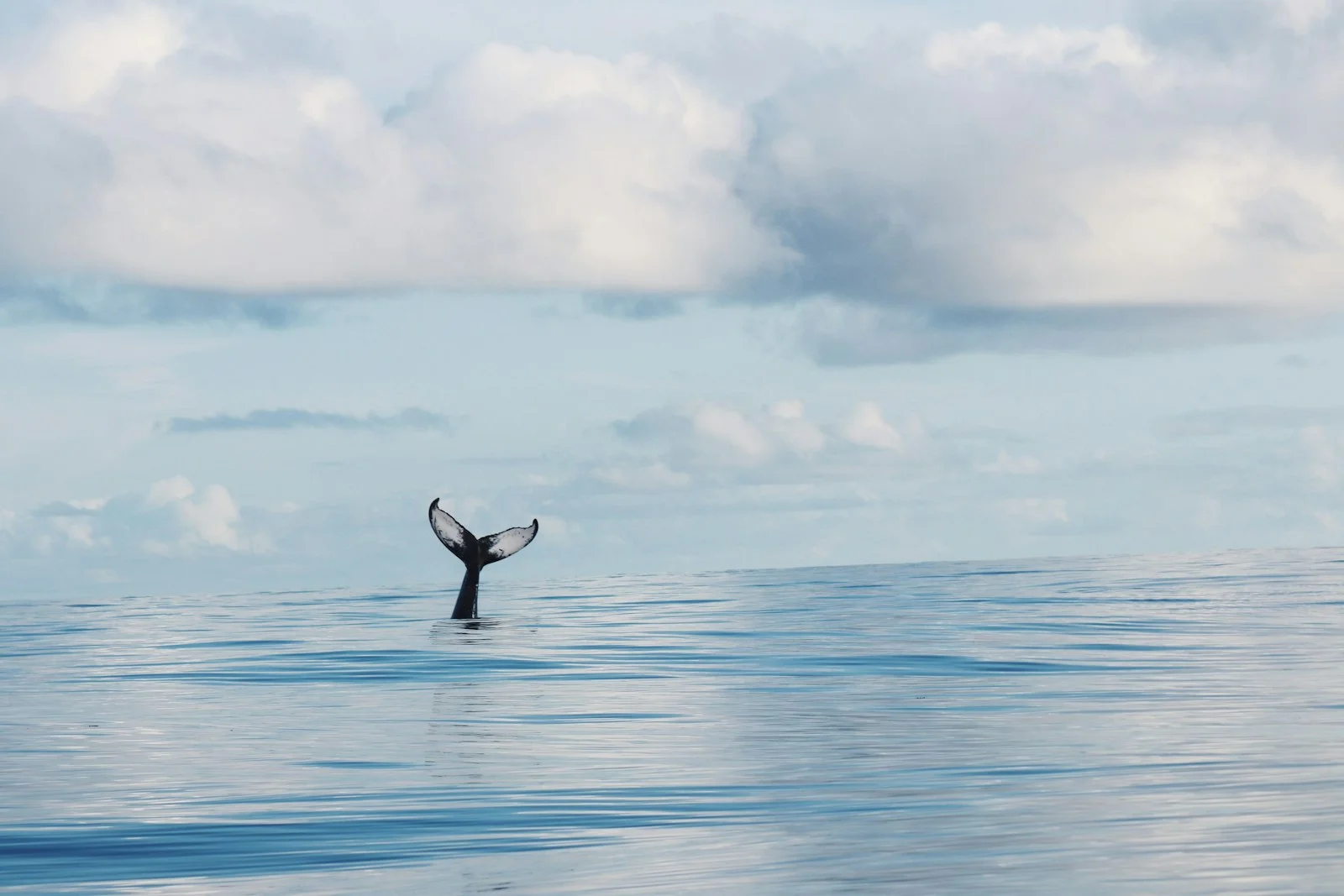
Whales have become one of the most important parts of Karel’s conservation work.
He is a founding member of RABEN, the Mexican Whale Disentanglement Network, where he has participated in rescue operations and technical training for response teams working with large whales affected by fishing gear.
This is highly specialized work.
Responding to an entangled whale requires training, coordination, patience and a deep respect for the risks involved — both for the animal and for the people attempting the rescue.
Karel is also an international whale disentanglement instructor accredited by the International Whaling Commission, and has participated in training and conservation programs in Mexico, Peru, El Salvador, Colombia, Costa Rica, Panama and Spain.
Since 2016, this work has included specialized workshops designed to strengthen regional capacity for the safe response and conservation of large cetaceans.
What begins as a local conservation challenge in Banderas Bay has therefore become part of a much larger international effort.
Tourism and Conservation Belong Together
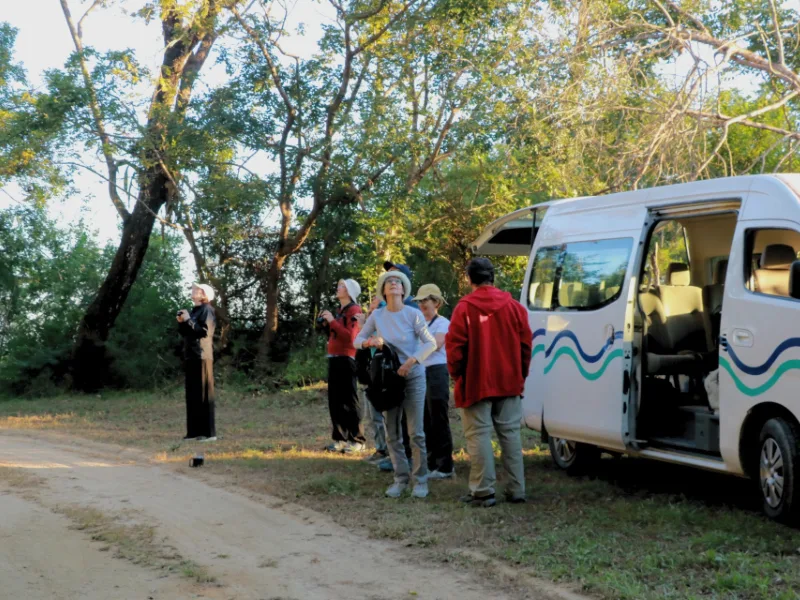
Throughout his career, Karel has promoted a simple principle:
Nature tourism works best when conservation is built into the experience.
His professional work has included training naturalist guides, developing sustainable tourism products, environmental education, responsible whale watching and advising on ecotourism projects in Mexico and abroad.
That philosophy has also shaped Ecotours Vallarta.
For three decades, the company has operated nature experiences in Puerto Vallarta while supporting conservation organizations and projects connected with whales, sea turtles, birds and other wildlife.
Karel’s professional record specifically highlights support for Ecología y Conservación de Ballenas, Santuario de las Guacamayas and a sea turtle conservation camp.
From Banderas Bay to Mexico’s Wildest Places
Although Puerto Vallarta and Banderas Bay are at the center of much of his work, Karel’s experience extends across Mexico.
His background includes the design and operation of expeditions focused on humpback whales, sea turtles, monarch butterflies, whale sharks and birds.
Each ecosystem requires a different approach.
The open waters of Banderas Bay are very different from a monarch butterfly sanctuary or a birding trail in tropical forest.
But the basic idea remains the same:
Observe carefully, understand the environment and leave it with as little impact as possible.
Training the Next Generation of Guides
Another important part of Karel’s work happens behind the scenes.
He has spent years training guides, tourism providers and conservation teams in environmental interpretation, sustainable tourism practices and wildlife response.
That matters because responsible ecotourism depends on more than having beautiful destinations.
It depends on the people leading the experience.
A well-trained guide knows when to approach and when to keep a distance, how to interpret animal behavior, how to communicate with visitors and how to make safety and conservation part of the day without taking away the fun.
More Than 30 Years, Still Exploring
After more than three decades in ecotourism, Karel continues developing projects related to sustainable tourism, environmental education and wildlife conservation.
He is also a founding member of AMTAVE, the Mexican Association of Adventure Travel and Ecotourism, reflecting his role in the broader development of nature tourism in Mexico.
For visitors traveling with Ecotours Vallarta, much of that experience may be invisible.
You see a guide pointing out a whale.
A bird in the forest.
A turtle on the beach.
A trail disappearing into the mountains.
Behind those moments are decades of knowledge, training, conservation work and time spent outdoors.
And that may be the best way to understand Karel Beets.
Not as someone who simply works in ecotourism.
But as someone who has spent most of his professional life helping people experience nature well — and helping make sure it is still there for the next visitor.